
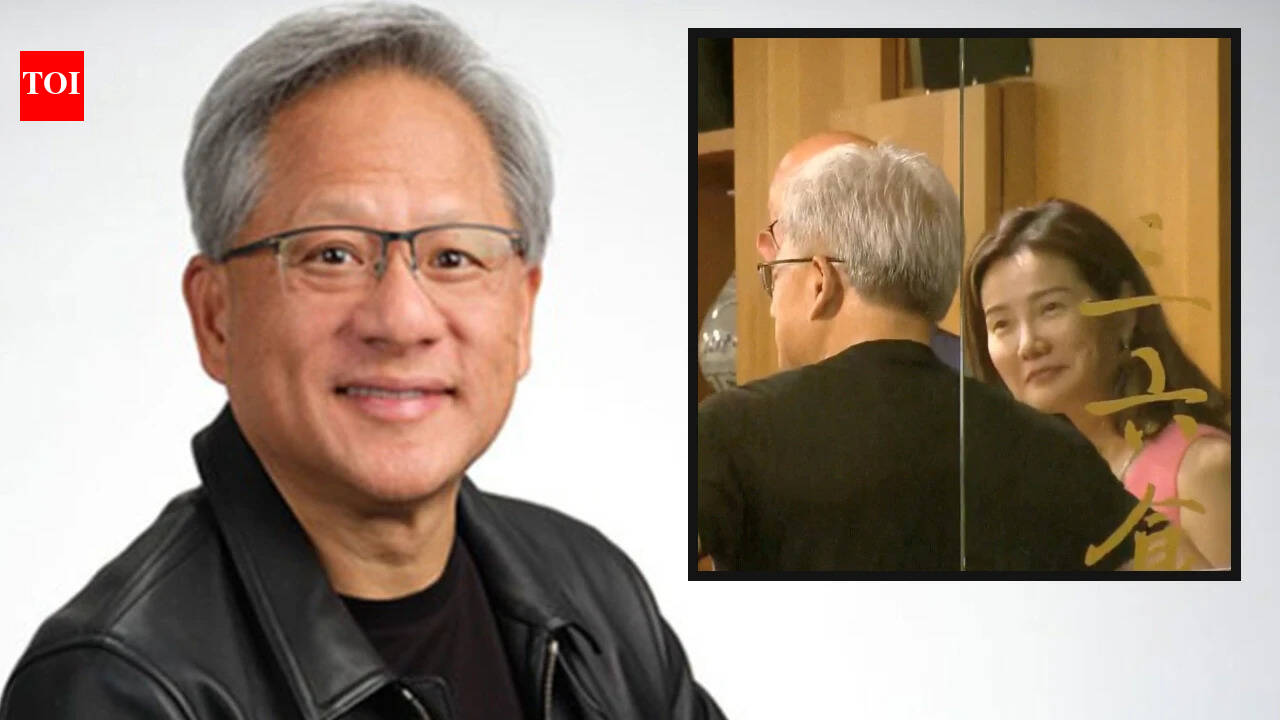
Photo via timesofindia.indiatimes.com
Nvidia CEO Huang faces FBI probe over alleged Chinese spy affair
A board investigation and shareholder lawsuit follow Trump's disclosure that Huang had an extramarital relationship with a woman US intelligence concluded is a Chinese asset.
What happened
Nvidia CEO Jensen Huang confirmed an extramarital affair with Alice Huang, a former Megaspeed executive, after the company's board launched an independent investigation on November 8. US intelligence concluded that Alice Huang is a Chinese intelligence operative who had been funneling information to Beijing. Trump disclosed publicly on Monday that the FBI is investigating the matter and said he had personally spoken to Jensen Huang, who told him he "had absolutely no idea" the woman was a spy. Trump said he believed him and emphasized Huang would "be in good shape."
Nvidia shares fell 4.3 percent on Monday, November 9, erasing approximately $190 billion in market value, as investors assessed leadership and national security risk. Within five minutes of market close, shareholders filed a proposed class-action lawsuit accusing Nvidia and Huang of defrauding investors by concealing the relationship and its national security implications. Three House Republican committee chairs—Brian Mast, John Moolenaar, and Rick Crawford—have requested a closed-door briefing with Huang on November 18 to discuss Nvidia's counter-espionage protocols and his interactions with Alice Huang.
Nvidia said Jensen Huang's interactions with Alice Huang were ordinary customer meetings and that no sensitive trade secrets or national security information were shared. The board has found no reason to believe company secrets were compromised. Huang said in a letter to employees that he is supporting the investigation and committed to protecting Nvidia and American national security. He is remaining CEO while the board probe continues.
China's foreign ministry has dismissed the spy allegations as "groundless accusation, slander and a smear." The New York Times reported in October that Trump was briefed on the relationship and Huang's alleged role as a target of Chinese intelligence but chose not to act on the information at that time.
Chanakya's Move
Trump's public handling of the Huang case reveals a strategic calculation. By disclosing the FBI investigation while personally vouching for Huang's honesty and suggesting he'll "be in good shape," Trump is shielding a valuable geopolitical ally—Nvidia is central to US AI leadership—while appearing to take the China threat seriously. Trump was briefed on the relationship months ago but declined to act; his current move reframes the narrative as investigative transparency rather than inaction. The timing, just before Trump's scheduled meeting with Xi Jinping, allows him to appear tough on Chinese espionage without isolating a CEO critical to US tech dominance. Congressional Republicans are applying separate pressure, demanding accountability. The real test will be whether investigations conclude Huang was genuinely duped (as Trump suggests) or negligent—a distinction that determines whether Huang survives and how severely Nvidia's ties to China-sensitive work are constrained.