
Photo via ndtv.com
North Korea Tests New Air-Defense Missile System
Pyongyang conducted weapons tests as Kim Yo Jong rejected FBI allegations linking North Korea to a $6 billion cryptocurrency theft.
What happened
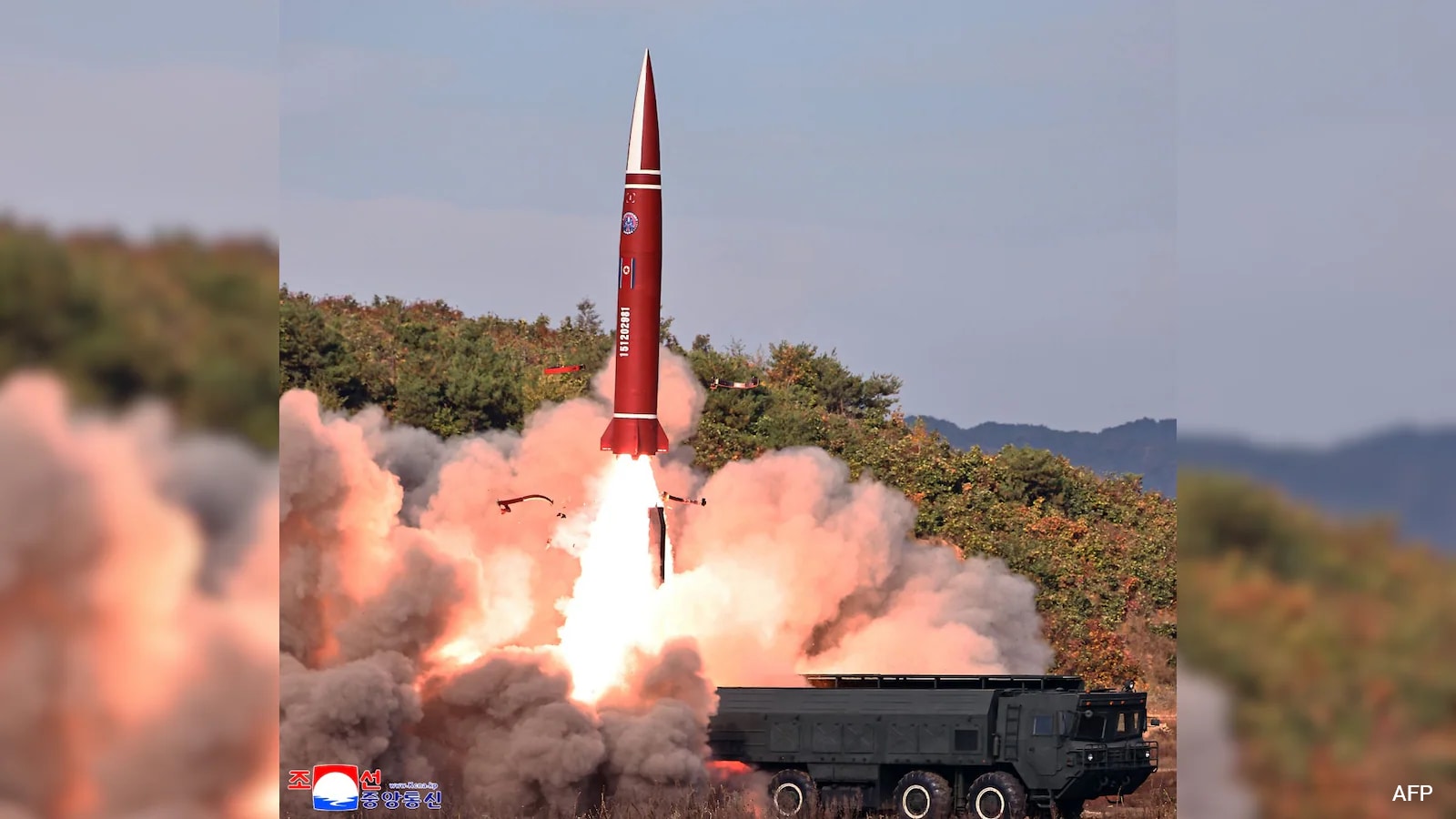
North Korea test-fired a newly designed air-defense missile system on Wednesday, state media reported Thursday, according to the Korean Central News Agency (KCNA). The test confirmed the technical specifications and reliability of the new materials and multiple guidance modes used by the missile, as well as the system's ability to identify and track targets. A sub-unit of North Korea's long-range strategic cruise missile unit in the eastern region also conducted a strike drill against a virtual airport target on the same day.
South Korea's military detected the launches from the Sondok area toward the East Sea. The test marked the fourth North Korean weapons launch in a month, part of a broader series of recent demonstrations including cluster munitions, attack drones, a precision-guided torpedo system, and an intermediate-range hypersonic missile. Unlike ballistic missile tests, cruise missile tests are not prohibited by UN Security Council sanctions.
The weapons display occurred as Kim Yo Jong, sister of leader Kim Jong Un, rejected FBI allegations that North Korean hackers were responsible for stealing over $6 billion from cryptocurrency exchange Binance, calling the accusation "absurd rhetoric" and accusing Washington of seeking to portray Pyongyang as a cybercriminal state.
Chanakya's Move
North Korea is executing a two-front signaling campaign: testing advanced conventional and air-defense systems to demonstrate military readiness (especially air-defense, a noted weakness), while simultaneously rejecting cyber-crime allegations to preserve diplomatic optionality. The timing—coinciding with US midterm elections and Kim Yo Jong's public statements—suggests Pyongyang is gambling that Washington's political distraction creates space for demonstrating strength without triggering escalation. The bet appears to be that the Trump administration will view tested weapons as background noise rather than provocation worth responding to, especially while North Korea maintains public ambiguity about its willingness to engage. Kim Yo Jong's warmer tone (hinting at "issues to reconsider" rather than flat refusal of talks) suggests Pyongyang is leaving diplomatic doors cracked open even as it demonstrates military capability.