
Photo via rnz.co.nz
New Zealand learned of US exercise cut through media, Peters calls it 'a surprise'
Trump scaled back a South Korea drill involving 19 New Zealand personnel without advance notice to allies, citing his relationship with Kim Jong-un and Seoul's refusal to join the Iran war.
What happened
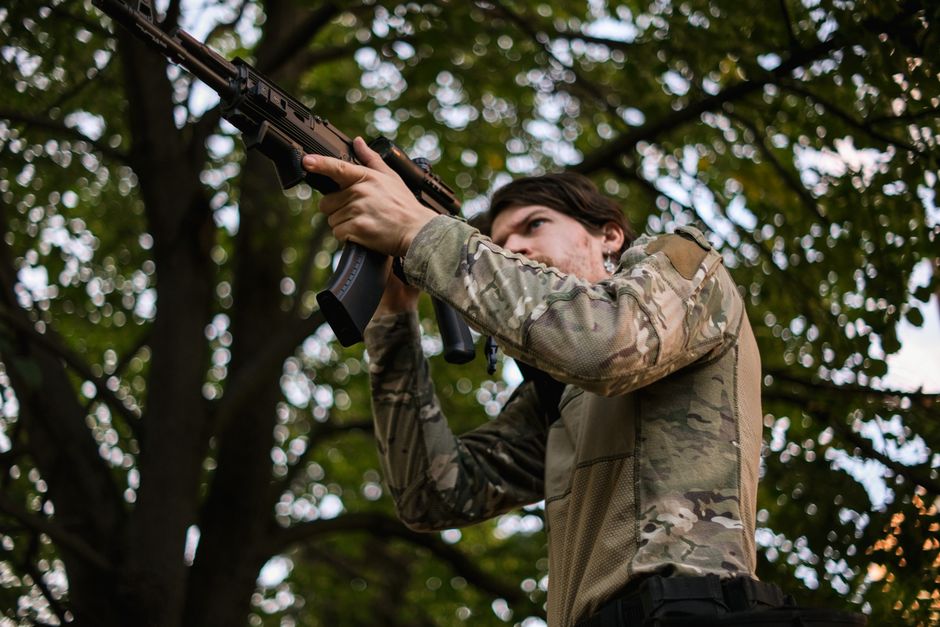
New Zealand Defence Force personnel deployed to South Korea for the annual Ulchi Freedom Shield exercise learned the drill was being cut short through media reports, Foreign Minister Winston Peters confirmed. The United States halved the exercise from 11 days to five after President Trump ordered a substantial reduction hours before it began on August 17. Nineteen New Zealand personnel, including 12 permanently stationed with the United Nations Command and seven augmentees, were contributing to planning and coordination when Trump announced the cut.
Peters said the decision was a surprise and that New Zealand received the same notification as other troop-contributing nations only after Trump's public statement. Trump cited his relationship with North Korean leader Kim Jong-un, the cost of the exercises, and South Korea's refusal to assist with US action against Iran as reasons for the reduction. The exercise, which involves forces from at least 12 UN Command member states, was originally scheduled to run through August 27 but now ends August 21.
Live training events were reduced or converted to simulations, and the counterattack phase was cancelled. Australia also had 13 personnel participating. South Korea's Foreign Minister said Seoul was not given advance notice of Trump's directive.
Chanakya's Move
Trump is trading alliance exercise reps for a diplomatic opening with Pyongyang. The move serves three audiences: Kim Jong-un gets a conciliatory signal without having to concede anything first; Beijing watches an ally's readiness exercise shrink; and Seoul absorbs the message that cooperation on Iran carries weight in Washington's alliance calculus. The cost is precedent. One shortened drill may not erode readiness, but making combined training negotiable creates uncertainty for future exercises. South Korea's push to certify command capability for wartime operational control was embedded in this exercise. Cutting it mid-stream could complicate the transition Washington has long encouraged. The counter-move for other Pacific partners would be to increase bilateral exercise frequency outside the US framework, particularly with Seoul directly, to insulate readiness from future Trump-Kim diplomacy.