
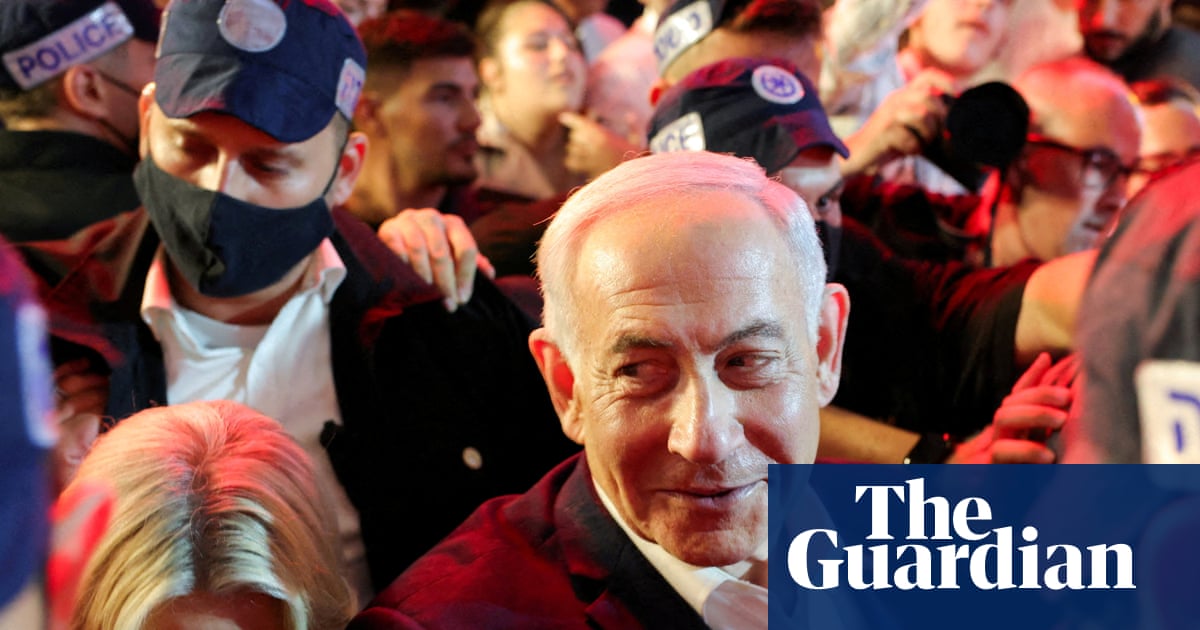
Photo via nytimes.com
Netanyahu Pressed Military for Iran Strike Before Election
IDF chief resisted as prime minister sought action before Tuesday's vote, citing political stakes amid narrow coalition trail in polls.
What happened
Israeli Prime Minister Benjamin Netanyahu has spent recent weeks pushing the military and intelligence agencies to take action against Iran ahead of Tuesday's election, according to multiple Israeli and US officials. The core pressure centered on IDF Chief of Staff Eyal Zamir, who resisted the directive and sought written legal authorization for any operation. In recent days, Netanyahu escalated requests for what officials describe as action short of an overt full-scale strike, prompting Zamir's concern that even limited moves could provoke Iranian retaliation and disrupt the vote.
Separately, Mossad Chief Roman Gofman—a former Netanyahu military secretary—has supported the prime minister's push, but senior intelligence officials within Mossad have opposed the plan on grounds that political considerations were influencing security decisions. Netanyahu's far-right coalition currently trails in polls, with recent surveys showing opposition leader Gadi Eisenkot's party ahead. On Sunday, Trump stated there would be no US strike against Iran that day, after Netanyahu posted an AI-generated image of a nuclear explosion over Tel Aviv warning of existential threat if opposition candidates won.
Trump subsequently endorsed Netanyahu while calling to "finish the job" against Iran, but US officials confirmed Trump asked Netanyahu to delay any joint action until Washington is ready. Defense Minister Israel Katz denied reports of confrontation, stating Israel had no intention of attacking Iran before the election.
Chanakya's Move
Netanyahu is betting that military action—or rhetoric about it—can shift election momentum by raising salience of security and his Iran record as voters face Tuesday's deadline. His play depends on framing Iran as the overriding voter concern and himself as the only leader willing to act. The counter-move by Zamir and security officials is to prevent that action from happening, denying Netanyahu both the headline and the risk of battlefield surprise that could upend the vote. Trump's role is the hinge: by refusing to authorize a pre-election strike but signaling future action if Netanyahu wins, Trump supports Netanyahu politically while constraining his near-term operational freedom. If Netanyahu loses despite this, his security-first campaign strategy will have failed, and the next government could inherit both a costly military commitment and political cover to reverse course. If he wins narrowly, he may face a chastened military that resisted him and a Trump administration watching whether he honors post-election commitments or tries again to drive policy.