
Photo via nytimes.com
Mexico Captures El Chapo Isidro With U.S. Intelligence
The arrest of a top Sinaloa cartel boss on the FBI's most-wanted list sparked violence in Sinaloa and drew praise from the Trump administration.
What happened
Mexican special forces arrested Fausto Isidro Meza Flores, known as El Chapo Isidro, on November 20 in Guasave, Sinaloa, in an operation backed by U.S. intelligence agencies. The raid also netted two of his lieutenants and five other suspected cartel members. Meza Flores, one of the FBI's 10 most wanted fugitives, was added to the bureau's list in February 2025.
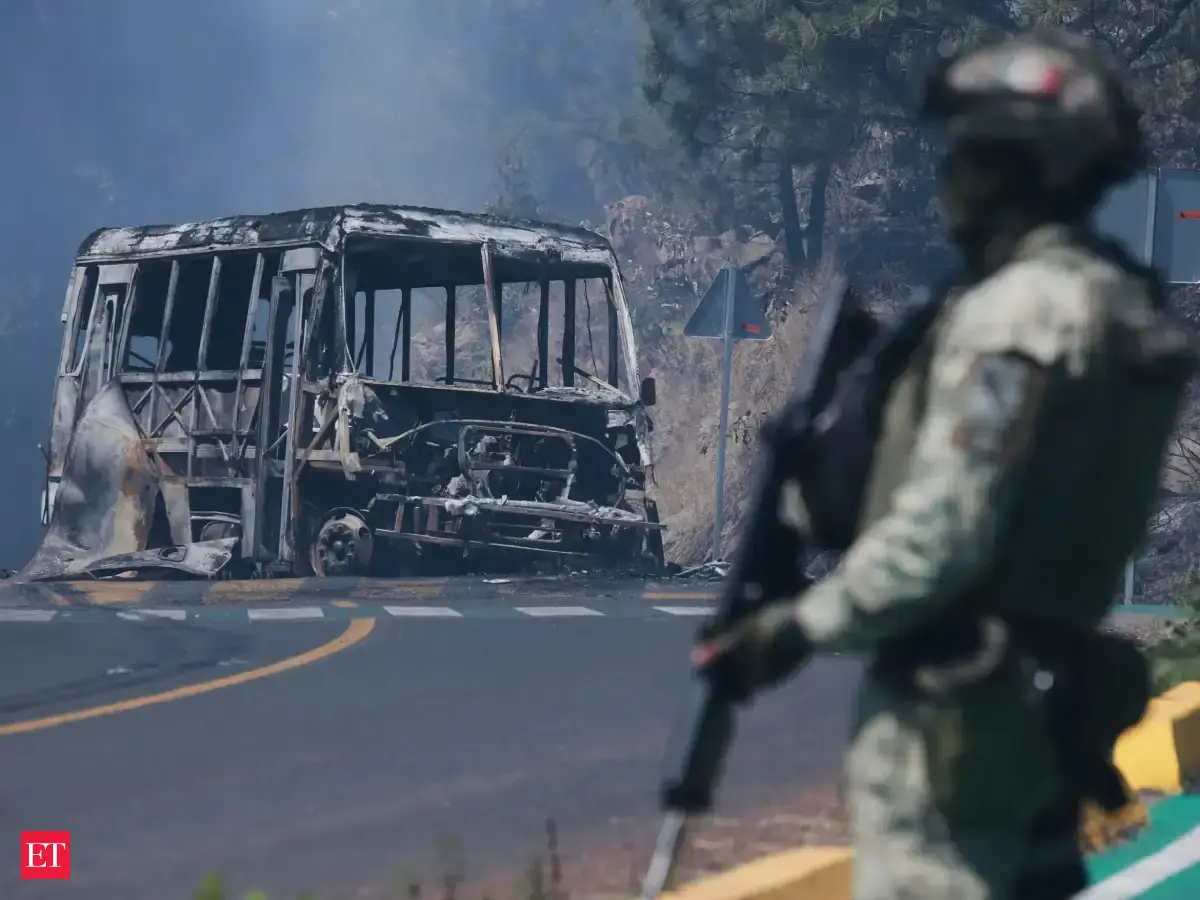
He faces U.S. extradition on drug trafficking charges stemming from indictments in 2012 and 2019, accused of smuggling heroin, methamphetamine, cocaine, and marijuana into American communities over two decades, including fentanyl designated as a weapon of mass destruction. The operation left 11 people dead: seven alleged cartel gunmen and four Mexican soldiers. The capture triggered immediate violence across northern Sinaloa, with gunfire, burning vehicles, and road blockades terrorizing residents in Guasave and surrounding areas.
The Mexican government credited Trump administration intelligence for the operation, though it disclosed few operational details. U.S. officials from the Justice Department, FBI, and DEA praised the arrest as a major blow to cartel networks. The capture comes as the Trump administration has pressured Mexican President Claudia Sheinbaum on border security and cartel enforcement.
Chanakya's Move
The Trump administration secured an early visible win on cartel enforcement by backing Mexico's capture of a high-profile FBI fugitive, reinforcing its border-security messaging and demonstrating to the Sheinbaum government that cooperation yields American support. Trump is betting that targeted kingpin arrests, coupled with intelligence leverage, will show progress on drug trafficking to justify tougher border policies. But the strategy carries a classic risk: each major arrest destabilizes cartel hierarchies, potentially triggering turf wars and spillover violence that could embarrass the Mexican government or fuel demands for even harsher crackdowns. Trump's room to maneuver narrows if Sinaloa violence spirals.