
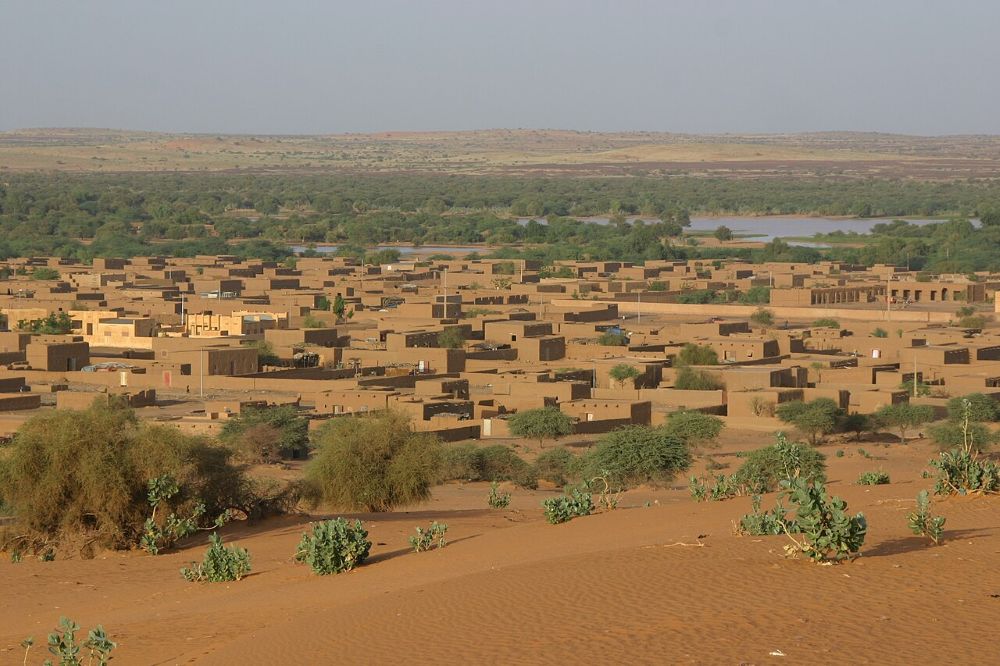
Photo via arabnews.com
Islamic State Militants Kill 48 in Mali's Ménaka Region
An IS-affiliated group attacked civilians over the weekend in eastern Mali in apparent retaliation for abuses by pro-government forces.
What happened
A weekend attack by militants affiliated to the Islamic State in Sahel Province (ISSP) killed 48 people in Mali's Ménaka region, according to Moussa Ag Acharatoumane, a Tuareg leader and member of the National Transitional Council. The fighters attacked from Sunday night into Monday morning, with casualties including children and elderly. ISSP accused the civilians of revealing their positions to the Malian army during drone strikes on the group.
The attack appeared to be retaliatory—security sources told Reuters it came in response to alleged abuses by pro-government militias and Russia's Africa Corps paramilitary unit in the area, including alleged killings, house burnings, and property theft targeting civilians suspected of aiding ISSP. On Monday, the Malian army announced it had located and struck a major militant base 65 kilometers southwest of Ménaka. ISSP has not claimed responsibility for the attack.
The Ménaka region remains contested between ISSP and the al-Qaeda-affiliated Jama'at Nusrat al-Islam wal-Muslimin (JNIM), amid broader instability across Mali, Burkina Faso, and Niger.
Chanakya's Move
ISSP's move appears to be disciplinary—eliminating suspected informants and reasserting control in Ménaka—but also retaliatory, signaling that civilian collaboration with government and Russian forces carries a cost. The group is betting that civilians will hesitate to aid counterinsurgency efforts if the penalty is group violence. Mali's military response (drone strikes and the announced base strike) counters by pursuing militant leadership and assets, but the cycle of retaliation suggests neither side is gaining decisive control. ISSP's lack of responsibility claim is notable; it may reflect internal uncertainty about the attack's origins or a strategic decision not to escalate public confrontation while consolidating power locally.