
Photo via nytimes.com
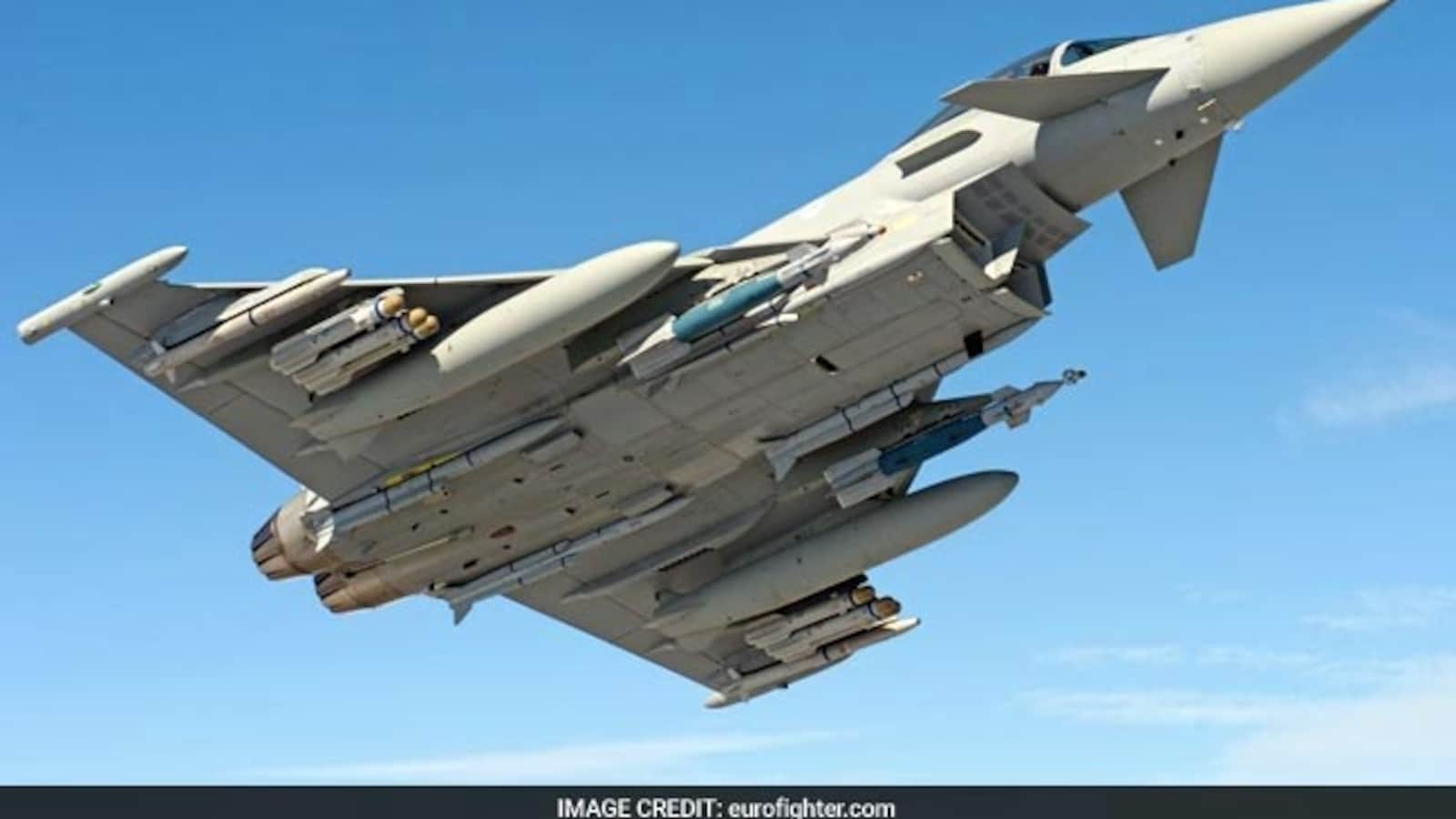
UK Deploys RAF Typhoons to Defend Saudi Arabia From Houthis
Britain escalates military support with fighter jets to shield Saudi cities and infrastructure as Houthi attacks intensify, killing at least a dozen at Riyadh airport.
What happened
The United Kingdom announced Tuesday it will deploy RAF Typhoon fighter jets to defend Saudi Arabia against escalating attacks from Yemen's Iran-backed Houthis. The jets will conduct defensive counter-air missions to protect Saudi cities and critical infrastructure, with the UK Ministry of Defence explicitly stating the aircraft will not conduct offensive strikes into Yemen. This deployment adds to previous commitments: an RAF Voyager refueling aircraft announced in September, air defense equipment, military advisers, and an A400M transport plane, with the refueling mission extended by 90 days.
The move follows a deadly surge in Houthi attacks. In early October, a strike on Riyadh's King Khalid International Airport killed at least 12 people—including a U.S. citizen—and wounded over 300. Defense Secretary Wes Streeting called the attacks "absolutely despicable" and cited the targeting of the airport as evidence of Houthi escalation. The conflict intensified after the Houthis announced in July they would blockade Saudi shipping and target infrastructure in solidarity with Palestinian efforts.
Britain justifies the deployment on two grounds: protecting its ally against immediate aerial threats and safeguarding energy security and global trade. The Red Sea and Bab al-Mandeb Strait—through which roughly 12% of global trade passes—face disruption from Houthi activity. UK officials emphasize this is a "defensive" operation; a Downing Street spokesman said jets will intercept incoming missiles and drones but will not strike Houthi targets in Yemen.
The deployment marks a significant escalation of Western military commitment to Saudi Arabia. France has also deployed defense assets, and over 100 U.S. military advisers are providing intelligence and targeting support under a newly established joint command. Britain has been careful to frame its role narrowly—helping Saudi Arabia defend itself rather than joining offensive operations—though RAF pilots could face direct engagement if required to counter incoming threats.
Chanakya's Move
Britain's move is a bet that visible, formal military commitment—especially fighter jets, not just refueling—will deter further Houthi escalation and shore up Saudi confidence at a critical moment when Riyadh faces simultaneous pressure from Houthis and regional instability linked to the broader Iran conflict. The UK is signaling to allies (US, France, Saudi Arabia) and adversaries (Iran, Houthis) that it stands with the Gulf status quo. The "defensive only" framing is critical—it lets the UK avoid direct offensive strikes on Yemen while preserving enough operational ambiguity to be credible as a deterrent. Countering this: sustained Houthi attacks despite UK presence could undermine the deterrent narrative, and if UK jets engage directly (even defensively), mission creep becomes a political vulnerability at home. The Houthis have shown resilience; they're unlikely to be cowed by Typhoons alone, especially if Iran-backed supply lines hold.