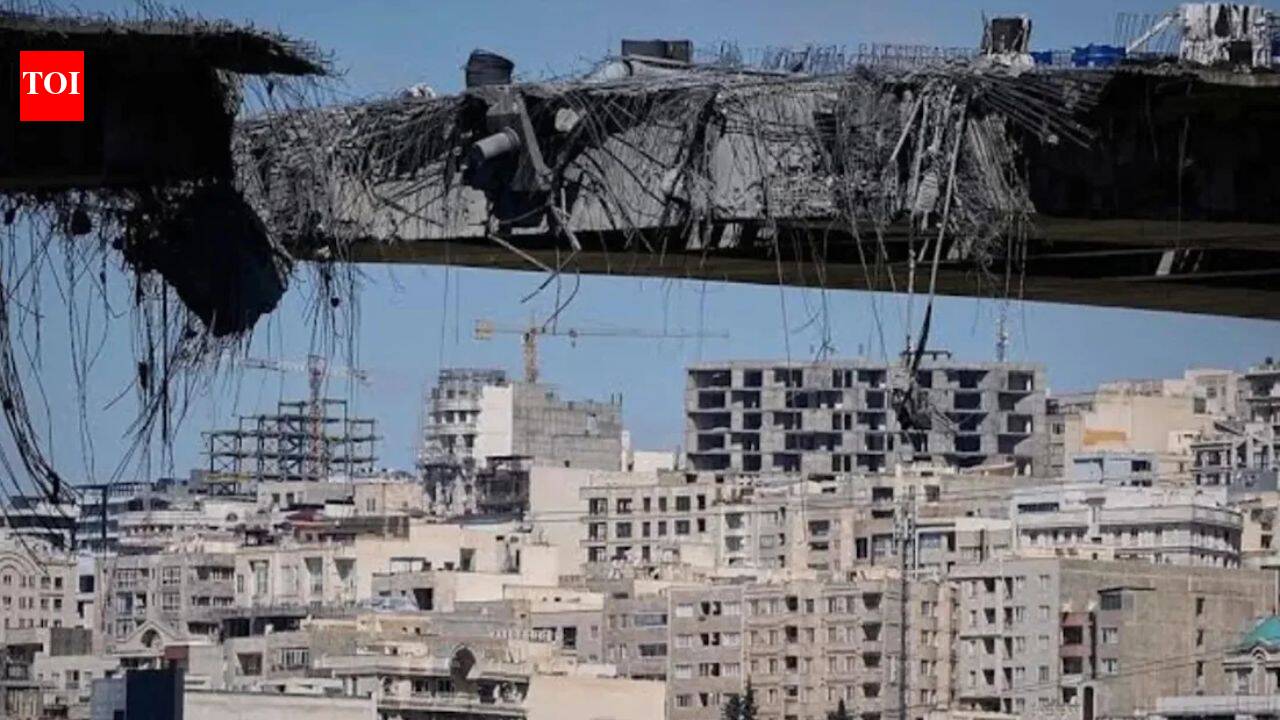
Iran warns it will inflict greater damage if US attacks again
Military officials assert readiness for renewed confrontation hours after Trump rejects Iran's seven-day Strait of Hormuz reopening proposal
Iranian military officials issued warnings on Sunday that their armed forces were fully prepared for renewed U.S. attack and would inflict greater damage if Washington struck again. Army spokesperson Mohammad Akraminia said Iran's forces were ready for any confrontation, while Army Commander-in-Chief Amir Hatami described the conflict as being at a critical and decisive stage. The remarks came directly after President Trump rejected Iran's proposal to reopen the Strait of Hormuz and resume peace talks within seven days. Trump stated the proposal was unacceptable, claiming Iran wanted to make the deal only because it was "losing so badly." Iran's proposal, presented during UN General Assembly meetings in New York this week, offered to reopen the strategic waterway and restart nuclear negotiations if the U.S. lifted its naval blockade, waived sanctions on oil sales, and agreed to a ceasefire including Lebanon. Hatami rejected the notion that foreign powers could use the Strait while Iranians were unable to trade, calling the waterway a matter of Iran's "dignity and honour." The conflict has persisted across nearly nine months since Operation Epic Fury began in late February, with military action alternating with failed diplomatic efforts. Recent weeks saw Trump pursue what he called "Economic D-Day"—expanded secondary sanctions—before the early September shift back to direct military strikes against Iranian Revolutionary Guard Corps targets. The Strait remains effectively closed to most commercial shipping, disrupting global energy and commodity flows.
How could this affect you
Traced by who's actually in the path of this — not everyone is.
Likely
Oil importers and energy markets
Continued blockade of Strait of Hormuz—through which roughly one-third of seaborne oil passes—combined with neither side accepting the other's terms means no near-term reopening. Oil price volatility will likely persist. Each rejected proposal signals the gap between the two positions remains fundamental.
Possible
Regional actors involved in the conflict (Saudi Arabia, Houthis, Lebanese actors)
Iran's warning follows Trump's explicit rejection of diplomacy. Military officials framing a "critical stage" signals preparation for either larger-scale operations or sustained lower-level strikes. Regional proxy actors may escalate in response to this rhetorical shift toward continued confrontation.
Possible
U.S. businesses with regional exposure
Trump told aides he expects to resume bombing after November midterm elections. If true, this extends the period of economic uncertainty, secondary sanctions pressure, and shipping disruption. Companies relying on Gulf trade routes could face prolonged supply-chain fragmentation.
Sources
Every claim here traces back to reporting you can read yourself.