
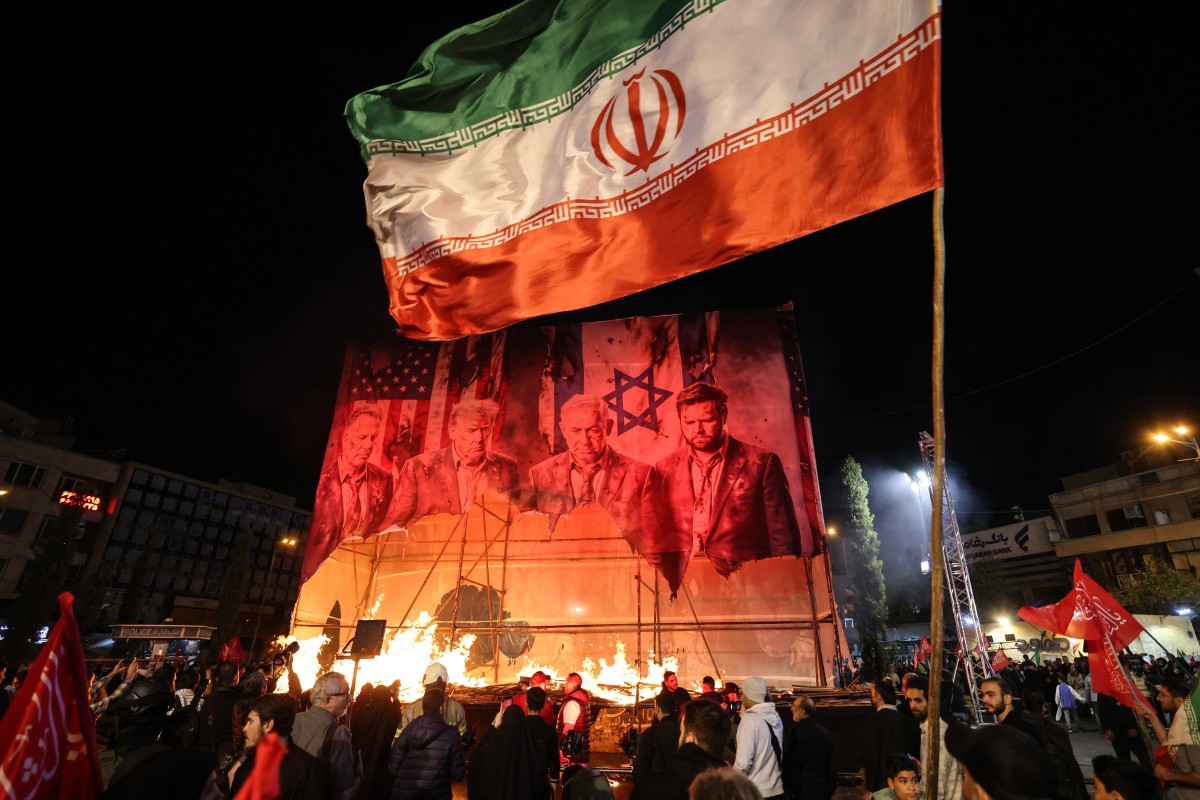
Photo via haaretz.com
Iran Sends Nuclear Proposal to US, Demands Seven Preconditions
Tehran linked reopening the Strait of Hormuz and nuclear negotiations to sanctions relief and military concessions in a counteroffer transmitted through Qatar.
What happened
A senior Iranian official told Reuters on November 5 that Iran has sent the United States a nuclear proposal via Qatar, conditioning any discussion on Washington meeting seven Iranian demands. Iran's top security official Mohsen Rezaei stated during a Moscow visit that Tehran will neither reopen the Strait of Hormuz nor enter negotiations until the conditions are fulfilled.
Iran's demands combine military and economic concessions: ending the war on all fronts, lifting US sanctions on Iranian oil, releasing frozen Iranian assets, ending the US naval blockade of Iranian ports, withdrawing US forces from the region, accepting a new transit route through Hormuz negotiated between Iran and Oman, and removing sanctions imposed since August. The US is currently reviewing the proposal, though details remain undisclosed.
The move escalates diplomatic maneuvering in the context of ongoing US-Iran hostilities that began with US and Israeli strikes on Iranian nuclear facilities and military targets on February 28, 2026. Iran retaliated with ballistic missiles against Israel and Gulf states hosting US bases. Qatar has intensified mediation efforts to prevent further escalation and secure talks between the sides.
Washington has previously stated that nuclear issues must be central to any initial negotiations, creating a fundamental disagreement over sequencing. Iran insists on preconditions being met before discussing its nuclear program, while the US wants nuclear matters addressed from the start.
Chanakya's Move
Iran's move is a counter-escalation signal after eight months of military stalemate since February. By formally transmitting a nuclear proposal bundled with non-negotiable preconditions, Rezaei (Iran's security chief) is signaling that Tehran will not separate nuclear talks from its regional strategic grievances—Hormuz closure, sanctions, frozen assets, and US military presence. The timing, after Qatar-led mediation and ahead of the US midterm elections, suggests Iran is testing whether Washington's posture might shift under electoral pressure or Trump's stated preference for deal-making. The core bet: the US will eventually pay a political price for Hormuz closure that exceeds its cost of concessions on sanctions and military posture. However, the proposal's success depends on Trump administration receptiveness to linking nuclear issues to economic and military concessions—something the administration has publicly resisted. A counter-move could include US rejection of the preconditions framework, renewed military strikes, or a parallel US offer that decouples Hormuz reopening from nuclear talks.