
Photo via deccanchronicle.com
India Brands Pakistan 'Puppet Regime,' Warns of Terror Consequences at UN
At UNGA 81, External Affairs Minister Jaishankar called Pakistan a 'serial practitioner of terrorism,' while India's Right of Reply accused Islamabad of state-backed terror and warned of repercussions for continued cross-border attacks.
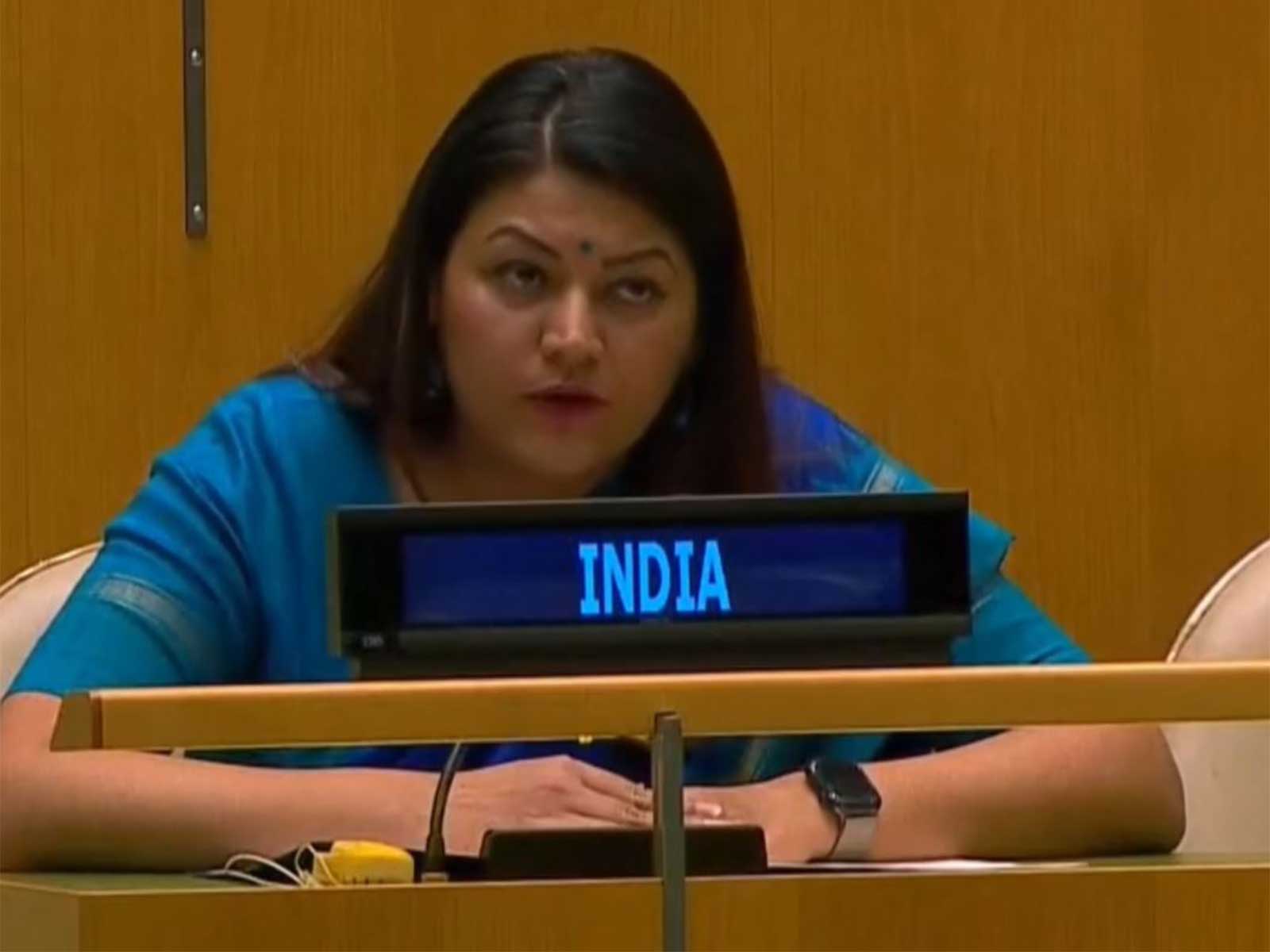
India launched a blistering diplomatic offensive at the 81st United Nations General Assembly on September 26, with External Affairs Minister S. Jaishankar condemning what he called a "serial practitioner of terrorism" and asserting New Delhi's right to self-defense. In a general assembly speech, Jaishankar stated that attempts to normalize terrorism would not stand, and warned that understandings between nations "premised on friendship and goodwill" cannot coexist with terrorism support. He urged the international community to recognize Pakistan for what it is, not what its representatives claim. India then exercised its Right of Reply after Pakistan Prime Minister Shehbaz Sharif used the UNGA podium to credit U.S. President Donald Trump with mediating a ceasefire in the 2025 conflict, while again raising the Kashmir issue. Petal Gahlot, India's First Secretary at the UN, escalated the rhetoric by calling Pakistan a "puppet" regime controlled by the military, explicitly referencing Pakistan's 27th Constitutional Amendment which granted lifelong immunity to the military chief. She dismissed Sharif's lectures on democracy and human rights as hypocritical. Gahlot accused Pakistan of a long-standing policy of cross-border terrorism and warned that such actions would have consequences. She cited Pakistan's role in shielding militant groups from responsibility for the April 2025 Pahalgam attack, which killed 26 civilians, and referenced India's May 7, 2025 Operation Sindoor—precision strikes against terror targets in Pakistan and Pakistan-occupied Kashmir. Gahlot also referenced Pakistan's harboring of Osama bin Laden and reiterated that Jammu and Kashmir is an integral part of India. Sharif had warned that any attempt to divert Pakistan's share of Indus waters would be treated as an "act of war," introducing resource and water-security tensions into the exchange. The confrontation underscores how India-Pakistan diplomatic discourse has centered increasingly on security accusations, terrorism allegations, and competing claims over Kashmir and shared resources.