
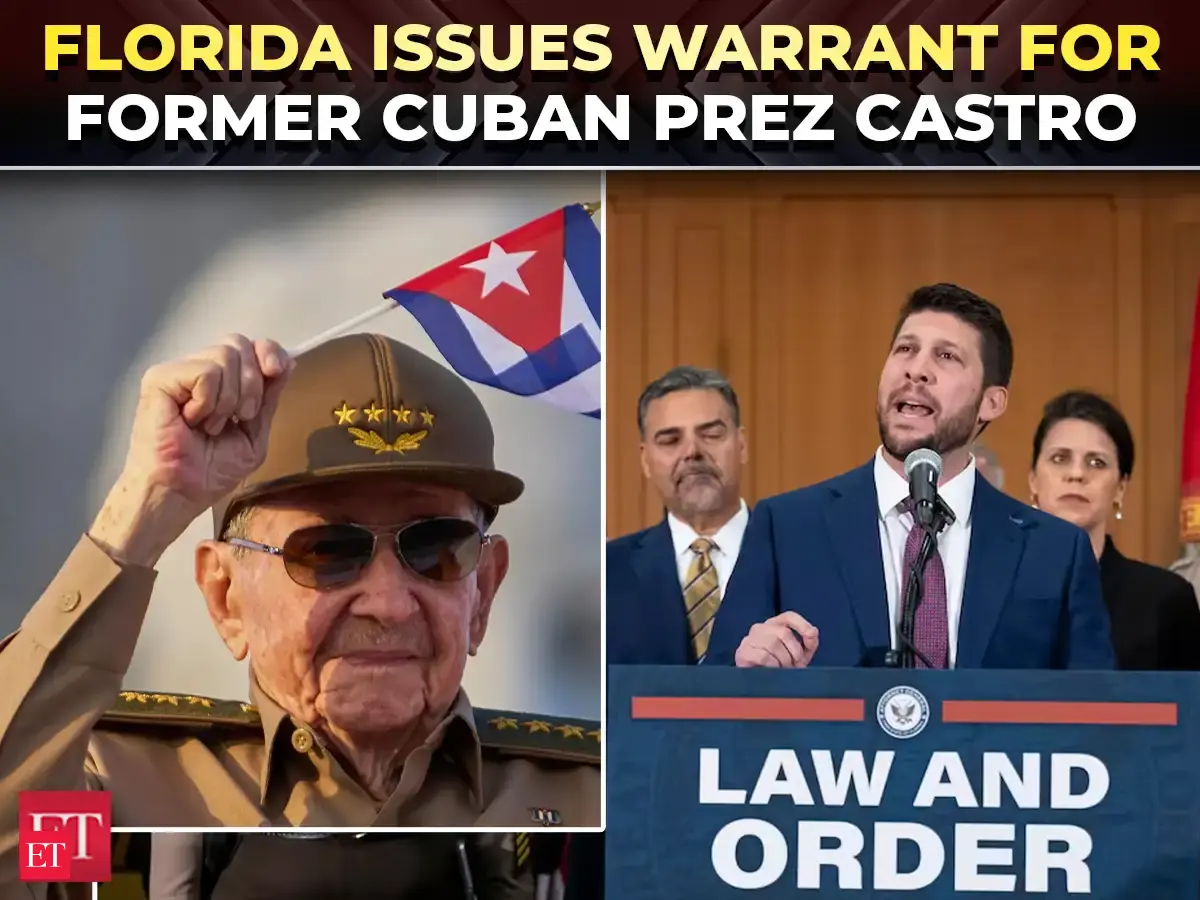
Photo via economictimes.indiatimes.com
Florida issues arrest warrant for Raul Castro
The state charges the former Cuban leader with conspiracy to murder over a 1996 aircraft shootdown, escalating Trump administration pressure on Havana.
What happened
Florida Attorney General James Uthmeier announced on October 19 that a Miami-Dade judge has signed a no-bond arrest warrant charging former Cuban President Raúl Castro with conspiracy to commit first-degree murder. The warrant stems from the February 1996 shootdown of two civilian aircraft operated by Brothers to the Rescue, a Miami-based Cuban exile group that conducts humanitarian rescues. Cuban military jets downed the unarmed planes over international waters, killing four men—three U.S. citizens and one legal resident.
According to investigators, Castro, then Cuba's defense minister and first vice president, authorized the operation and issued standing orders to shoot down aircraft associated with the group. The warrant follows a federal indictment in May 2026 and represents the first state-level charge in the case. Uthmeier said he directed the state investigation to reopen last year after it had been dormant during the Biden administration.
Cuban President Miguel Díaz-Canel condemned the move as a "pathetic Miami circus" with an "electoral backdrop" that lacks legal basis. The warrant comes amid the Trump administration's broader "maximum pressure" campaign against Cuba, which has included oil sanctions, fuel restrictions, and designation of regime officials.
Chanakya's Move
This move serves multiple strategic objectives for the Trump administration. Nominally, it pursues accountability for a 30-year-old crime with real symbolic weight for Florida's Cuban exile community. Tactically, it escalates pressure on the Castro regime by criminalizing its former leadership and raising the costs of international engagement. The timing—coinciding with reports of stalled backchannel negotiations between Washington and Castro's grandson, Raúl Guillermo Rodríguez Castro, over Cuba's political future—suggests the warrant may be intended as leverage or a signal that the administration will use the judiciary as a pressure tool if negotiations do not yield concessions. The regime's counter-move (calling it a "circus") is predictable defensiveness, but the warrant's practical effect on Castro's mobility is real regardless of its legal enforceability.