
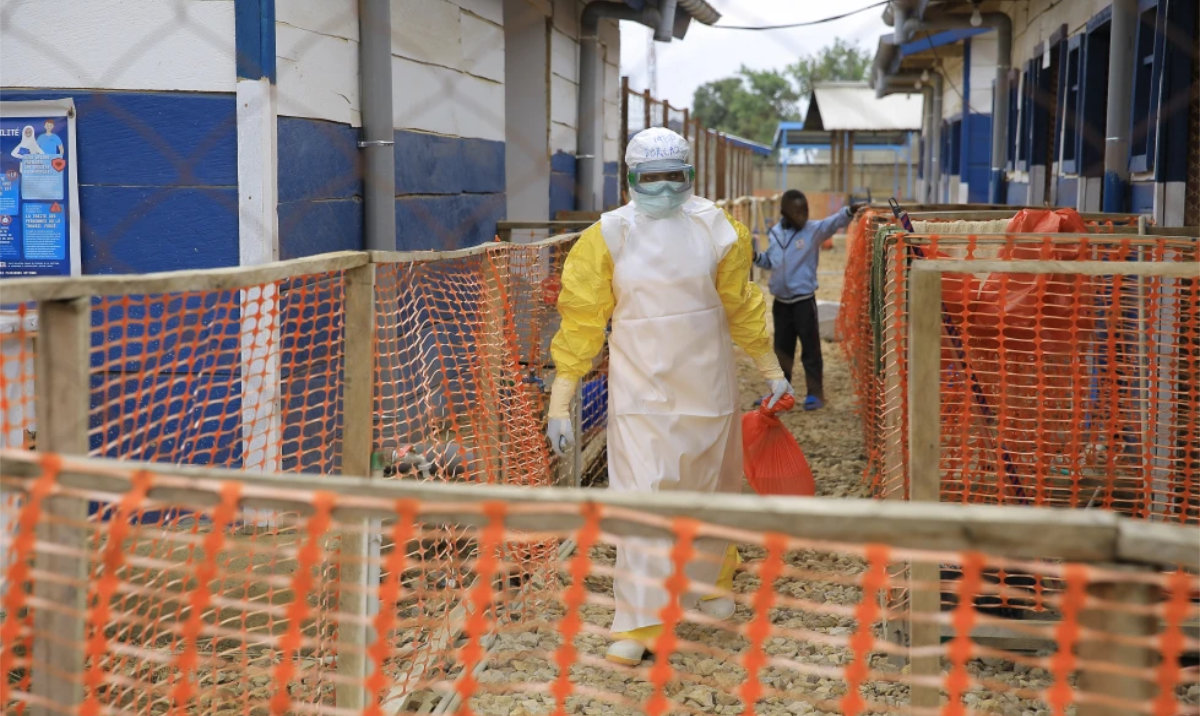
Photo via arabnews.com
Congo Ebola outbreak spreads to eighth province amid regional spillover
With over 9,400 cases and 4,500 deaths, the Bundibugyo outbreak has become the deadliest in Congo history and is crossing borders despite containment efforts.
What happened
The Ebola outbreak in the Democratic Republic of Congo reached an eighth province on Sunday with the confirmation of two cases in Nord-Ubangi, a region bordering the Central African Republic. The new cases, both men in their 20s, mark the second major geographic expansion in recent weeks as the Bundibugyo strain continues outpacing response efforts. Authorities have recorded at least 9,400 confirmed cases and over 4,500 deaths since the outbreak was declared in mid-May—the largest and deadliest Ebola epidemic in Congo's history.
Regional spillover continues: Kenya confirmed its eighth case on Sunday, a 49-year-old patient attendant who had contact with the country's first Ebola patient, who died on October 5. All eight cases in Kenya remain linked to that initial import, with no community transmission reported. WHO Regional Director Mohamed Yakub Janabi acknowledged the geographic paradox of the crisis: "We see pockets of Ebola generally going down, but unfortunately geographically it's spreading out."
The Bundibugyo strain poses a rare public health challenge—no approved vaccine or treatment exists, forcing responders to rely on isolation, contact tracing and safe burials. The outbreak is fueled by mass population movements, rebel violence, widespread mistrust of government health systems, and a critical shortage of paid health workers across response centers. Ituri province in eastern Congo remains the epicenter, accounting for nearly three-quarters of all confirmed cases.
Chanakya's Move
Congo's outbreak has moved from an epidemic of containment to one of geographic inevitability. The bet underlying the spread to the eighth province and cross-border cases is demographic and structural: populations in eastern Congo move constantly due to mining, conflict displacement, and economic migration; borders in the region are porous; and mistrust of government and misinformation undermine voluntary isolation. The WHO's own data shows only 23% of expected contacts are being traced. The response is betting on vaccination trials to eventually provide tools, but without an approved Bundibugyo vaccine, responders are fighting with pre-pandemic tools—contact tracing and isolation—that require resources, coordination and public cooperation that the conflict-torn DRC does not have in abundance. The move to the eighth province is not a strategic choice by any actor; it is a failure of containment strategy. What could counter it: either a rapid breakthrough in Bundibugyo vaccine or treatment efficacy, a shift in regional conflict that allows health teams unhindered access to affected populations, or a coordinated regional border health task force with sufficient funding and mandate.