
Photo via hindustantimes.com
FAA Router Failure Grounds 14,000+ US Flights
Aging infrastructure and a contractor maintenance error ground all US flights for 4+ hours on November 13, with recovery extending through the weekend.
What happened
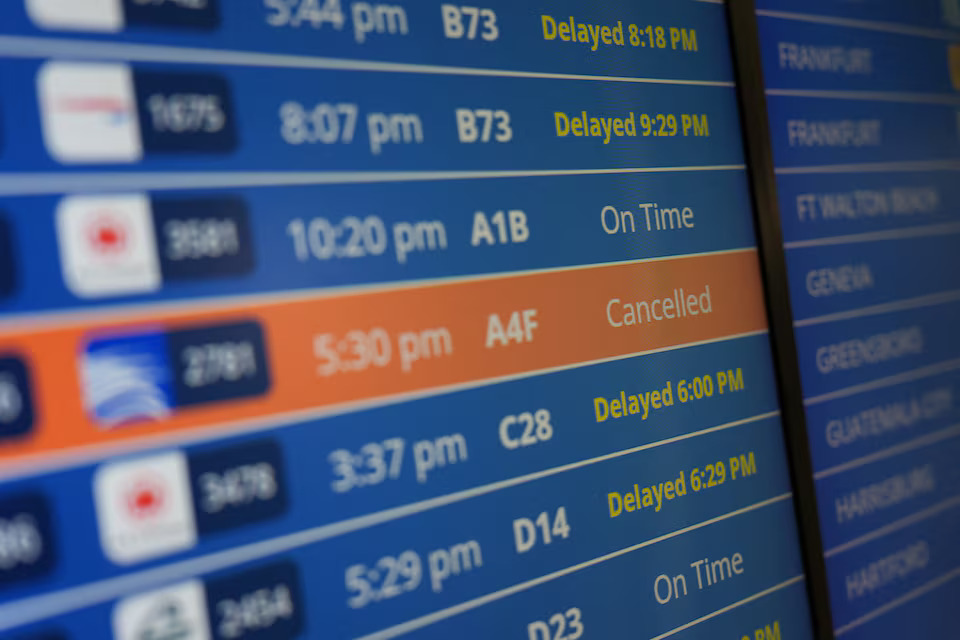
On Friday, November 13, the Federal Aviation Administration ordered a nationwide ground stop lasting over four hours after a communications outage crippled air traffic control centers across the country. The disruption, traced to a faulty router installed by contractor L3Harris during routine maintenance to replace aging copper telecommunications lines with fiber optic cables at a remote FAA facility, affected 17 of 22 en route control centers. The problem triggered an immediate inability to guarantee safe aircraft operations, prompting the FAA to halt all departures.
Approximately 9,200 flights were canceled Friday and 7,500 delayed; on Saturday, an additional 5,300 to 6,400 flights were canceled as airlines worked to reposition crews and aircraft. FAA Administrator Bryan Bedford projected recovery by late Sunday, though investigators had not yet determined whether the router failure stemmed from contractor error, installation mistakes, or faulty equipment itself. The ground stop marked the longest nationwide halt since 9/11 and the third in US history.
Transportation Secretary Sean Duffy ruled out cyberattacks or AI-related causes, attributing the incident to systemic vulnerabilities in legacy air traffic control infrastructure that was overloaded during the upgrade.
Chanakya's Move
This is a failure of American infrastructure resilience that creates political pressure and operational opportunity. The Trump administration faces a test: how it handles contractor accountability (L3Harris) and whether it commits sustained funding to air traffic modernization. Duffy's quick attribution to aging systems rather than contractor negligence signals the administration's preference for systemic critique over vendor blame—strategic for future relations with defense contractors but risky if investigation finds L3Harris error. The real move: leverage the crisis to fast-track infrastructure spending that Republican administrations have historically opposed or delayed. The counterplay: Congress demands independent investigation and explicit penalties on contractors, tightening procurement oversight. Internationally, allies watching US aviation vulnerability may reconsider reliance on coordinated airspace during future crises.