
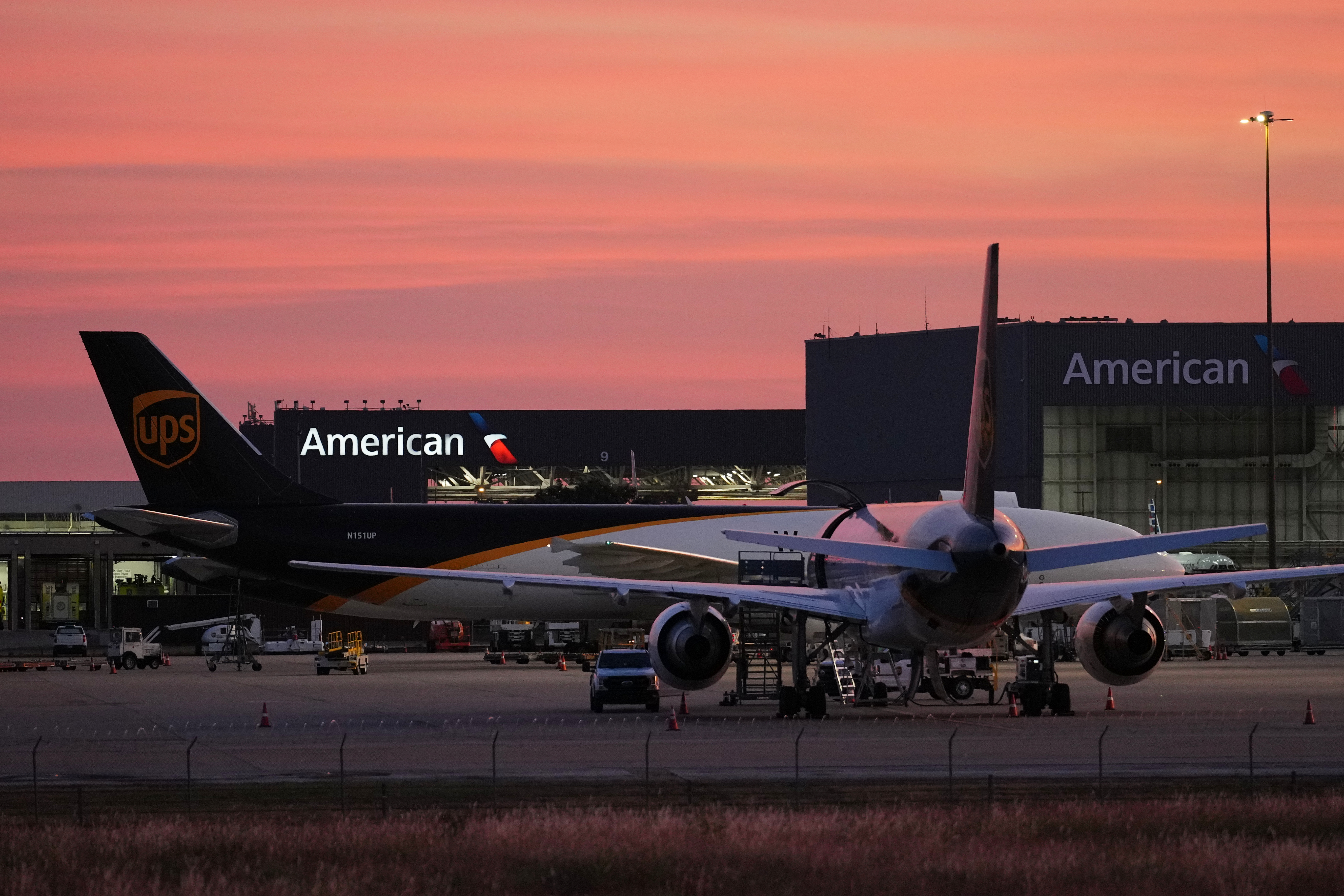
Photo via arabnews.com
FAA Grounds All US Flights Due to ATC Communications Failure
Second nationwide air traffic ground stop since 9/11 halted departures; nearly 7,000 flights delayed or cancelled.
What happened
The Federal Aviation Administration issued a rare nationwide ground stop for all US airports on Friday, November 13, citing extraordinary circumstances and safety concerns stemming from communications issues affecting multiple Air Route Traffic Control Centers. Transportation Secretary Sean Duffy said the problem was impacting all 22 of the regional air traffic control centers that direct high-altitude en route traffic between airports across the country.
The ground stop, issued at approximately 4 p.m. Eastern Time, marked only the second such nationwide halt since the September 11, 2001 attacks—the previous one occurred in January 2023. When the order was issued, approximately 4,042 aircraft were already airborne en route to US airports and were allowed to continue landing. No new departures were permitted until further notice.
Flight disruptions rapidly escalated: by evening, nearly 7,000 flights were delayed or cancelled according to flight-tracking service FlightAware. The outage followed earlier ground stops at Chicago's O'Hare and Midway airports due to what were described as equipment outages. Department of Homeland Security officials, including Secretary Markwayne Mullin, emphasized there was no indication of a cyberattack or nefarious attack behind the incident. Investigators examined whether a software update or network router problem had caused the cascading failure, though no final determination was announced as of Friday evening.
FAA technicians worked to investigate and resolve the communications failure while federal aviation officials provided no timeline for lifting the ground stop. The incident underscored ongoing strain on US air traffic control infrastructure, which has experienced multiple equipment failures, controller shortages, and aging systems in recent years. International flights into the US were to be managed on a case-by-case basis.
Chanakya's Move
This is fundamentally an infrastructure failure exposing a central vulnerability: the US air traffic control system, built on aging technology and chronically underfunded, experienced a cascade across all 22 regional centers simultaneously—suggesting either a single point of failure in routing, a software or hardware update gone wrong, or a network infrastructure breakdown. The fact that a software update appears to be under investigation parallels the July 2024 CrowdStrike catastrophe and the January 2023 NOTAM database failure, indicating the FAA and its vendors remain prone to high-impact errors. Officials moved quickly to rule out cyberattack, which was prudent but also signals that domestic complacency about legacy infrastructure may be the real threat. The White House had just requested $30.1 billion from Congress for aviation infrastructure modernization—including $10.1 billion for ATC upgrades—hours before the outage occurred, making this incident either impeccable political timing for the budget request or an indictment of how fragile the current system is while funding waits.