
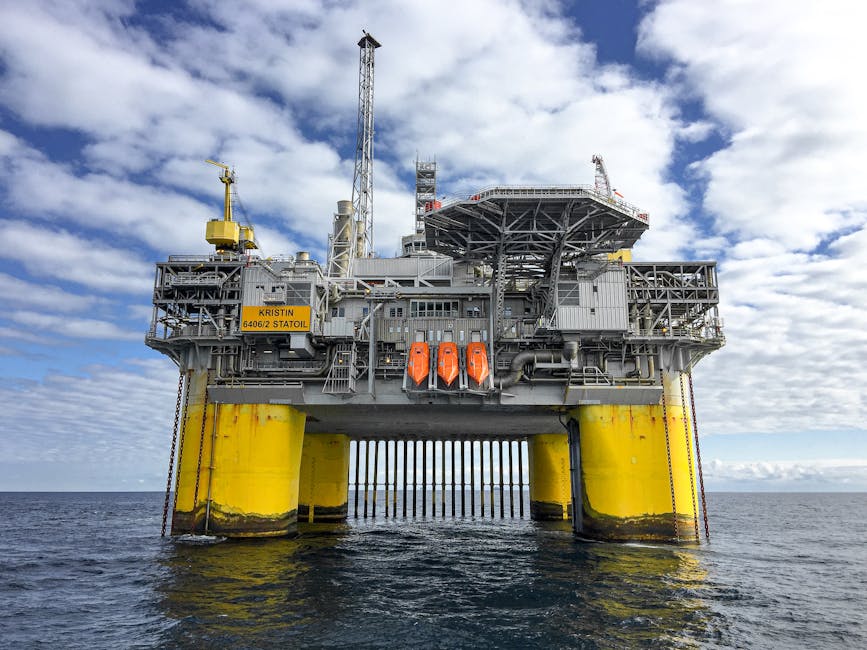
Photo via dutchreview.com
Dutch Household Energy Bills Jump €141 in 2027, Mostly for Grid Access
Network charges will surge 19% next year due to massive infrastructure investments needed to accommodate renewable energy expansion and relieve grid congestion—but actual energy prices may rise further if Middle East tensions disrupt LNG supplies.
The average Dutch household will pay approximately €141 more annually in network charges in 2027, marking a 19% increase from 2026 levels. The fee increase breaks down to €89 additional euros for electricity grid access and €52 for gas, or roughly €12 per month. These fixed charges—called netbeheerkosten—are unavoidable regardless of which energy supplier a household uses; they cover the cost of transporting electricity and gas through the national network infrastructure. The surge stems from a new regulatory framework enabling grid operators to recover investment costs more quickly and comprehensively. Under the previous system, ACM (the Netherlands Authority for Consumers and Markets) reimbursed operators only after they incurred spending. The updated methodology, effective from 2027–2031, lets operators estimate costs upfront and allows ACM to compensate them faster, speeding capital deployment for network upgrades. Grid operators like Liander, Enexis, and Stedin face electricity tariff increases ranging from 17% to 23% depending on their regional network. The hike also reflects cost overruns from the prior regulatory period that operators are recovering now. The Netherlands faces severe grid congestion as renewable energy deployment accelerates and demand grows from heat pumps and electric vehicles. Grid operators must invest roughly €235 billion through 2050 to add more than 100,000 kilometers of new cables, upgrade substations, and modernize infrastructure. Current peak electricity demand stands at roughly 19 gigawatts and is expected to rise to around 27 gigawatts by 2030. Grid congestion is already stalling housing construction and delaying thousands of business expansion projects; economic losses from this bottleneck are estimated between €10 billion and €40 billion annually. Chromatic timing adds pressure to 2027 bills: Dutch benchmark gas prices have surged above €70 per megawatt-hour—their highest level since spring—amid renewed US-Iran fighting that has effectively closed the Strait of Hormuz. Roughly one-fifth of global LNG normally transits this passage. Europe is rushing to fill gas storage before winter, and disruptions could push consumer energy prices materially higher on top of the network charge jump. ACM will announce final 2027 tariffs in December; tariff increases are preliminary forecasts only.