China's Factory Activity Returns to Growth in September, Driven by AI Boom and Weather Relief
Manufacturing PMI rose to 50.1, ending two months of contraction, but weak consumption and property woes threaten sustained recovery.
China's official manufacturing purchasing managers' index climbed to 50.1 in September from 49.8 in August, signaling a return to expansion after two consecutive months of contraction. The reading matched median economist forecasts and was supported by easing weather disruptions that allowed factories to resume operations, as well as robust global demand for AI-related equipment and semiconductors. Production and new orders sub-indices stood at 51.7 and 50.5 respectively, both above the 50-point expansion threshold. Private surveys reinforced the trend: the RatingDog manufacturing PMI surged to 52.1, marking a five-month high.
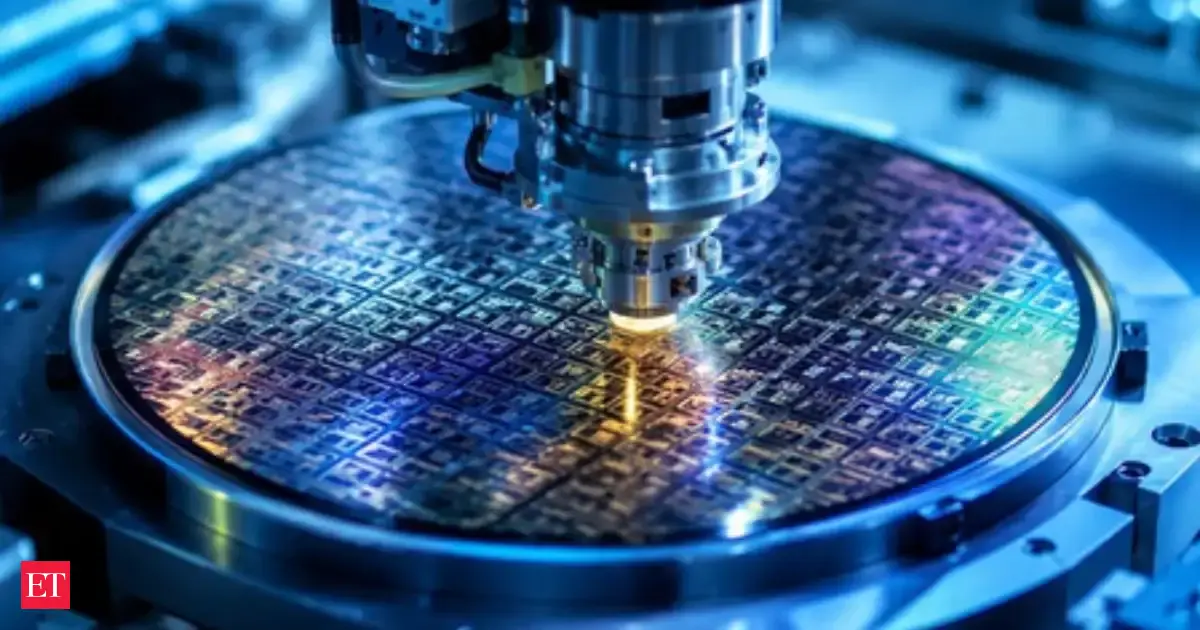
The rebound reflects China's growing role in the global AI supply chain, with chipmakers and electronics manufacturers benefiting from surging international orders for processors and hardware needed to support AI infrastructure buildout. In August, Beijing signaled its commitment to this sector by announcing a 1 trillion yuan fund to support advanced manufacturing, with explicit focus on semiconductors, AI, and robotics, to be deployed over three years.
However, the recovery remains uneven and fragile. Small and medium-sized enterprises remain in contraction territory with PMI readings of 48.9 and 49.7 respectively. More broadly, factory output is outpacing domestic consumption, which continues to slow amid weak household confidence and a prolonged property market downturn that shows no sign of stabilizing. Domestic demand headwinds—not weather or external demand—represent the deeper constraint on China's growth trajectory.
Economists note that the AI boom, while significant, cannot fully offset the drag from property sector weakness and sluggish consumer spending. Looking ahead, sustained expansion will depend on whether Beijing can stabilize the property market and revive household confidence, not merely sustain export-driven industrial growth.
How could this affect you
Traced by who's actually in the path of this — not everyone is.
Likely
If you are a global chipmaker or semiconductor equipment supplier
China's AI-driven factory expansion could increase orders for advanced chip manufacturing equipment and materials, especially as domestic rivals to Nvidia scale production. However, U.S. export controls on cutting-edge chipmaking technology remain a binding constraint on China's ability to manufacture the most advanced processors, potentially capping demand growth.
Likely
If you are a commodities trader or natural resources investor
Sustained manufacturing growth could support demand for metals, oil, and raw materials used in electronics and AI hardware production. But weak domestic demand and property downturn will limit construction-related commodity consumption, creating an uneven demand profile that favors energy and tech metals over construction materials.
Likely
If you are a Chinese policymaker or government bond investor
The uneven recovery—strong exports and industry, weak domestic demand—will intensify pressure for targeted fiscal stimulus. Beijing may deploy portions of its announced 1 trillion yuan fund earlier than planned, or announce additional consumer-focused spending measures to rebalance growth and avoid a two-speed economy trap.
Possible
If you own Chinese financial sector stocks or credit instruments
Persistent weakness in property prices and continued slowdown in consumption could pressure bank asset quality and household credit demand, weighing on financial sector profitability even as industrial output stabilizes. Prolonged property weakness also increases risk of fiscal contingency spending by Beijing.
Sources
Every claim here traces back to reporting you can read yourself.