
Photo via nytimes.com
Court bars Bolsonaro from leaving Brazil after election loss to Lula
Brazil's Supreme Court seized senator's passports hours after a money laundering investigation, as defeated candidate refuses to concede to leftist incumbent.
What happened
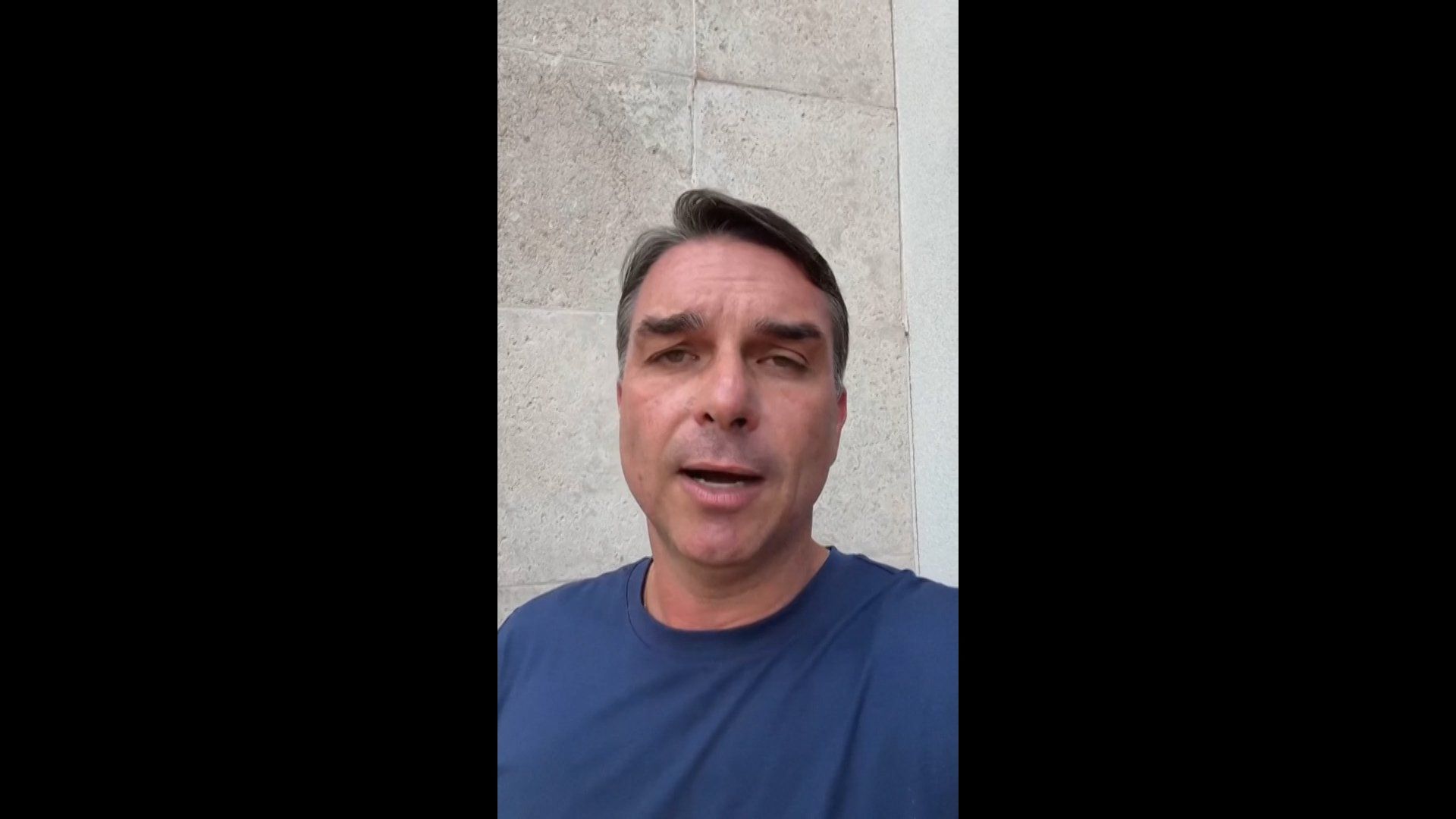
A day after losing Brazil's presidential runoff to leftist incumbent Luiz Inácio Lula da Silva, Senator Flávio Bolsonaro was ordered to surrender his passports and barred from leaving the country. Supreme Court Justice Alexandre de Moraes issued the confidential ruling on October 26, requiring Bolsonaro to hand over all travel documents—including his diplomatic passport—within 24 hours. The order also prohibited him from contacting attorney Willer Tomaz, who faces investigation over suspected money laundering through sports betting platforms. Federal Police approached Bolsonaro after he visited his imprisoned father, former President Jair Bolsonaro, under house arrest for an attempted coup.
Lula secured 51.79% of votes to Bolsonaro's 48.21%, a margin of over 4.4 million votes in a stunning comeback after trailing in the first round. Bolsonaro immediately contested the result, calling a two-hour voting extension ordered by another Supreme Court justice "unacceptable" and vowing to seek annulment. However, his party—the Liberal Party—acknowledged Lula's victory on October 26, though without congratulating him.
On October 26, U.S. President Donald Trump told reporters that Brazil's election "looked like another rigged election," without providing evidence. Trump noted the vote "looked terrible" and had "a very bad look" for the world. He added that "elections have to be indisputable." Trump's earlier comment that he is "not running Brazil" suggested he would not directly intervene, though he has backed Bolsonaro politically in the past.
The passport seizure tied to the money laundering investigation involves Bolsonaro's alleged connections to lawyer Willer Tomaz, who allegedly controlled betting companies. Federal Police discovered evidence suggesting Bolsonaro was registered as the primary user of a joint bank account linked to Tomaz's holdings. Both deny wrongdoing. Bolsonaro's access to leave Brazil complicates his ability to lead the opposition during Lula's fourth presidential term, which begins January 5, 2027.
Chanakya's Move
This is a multi-level strategic move with unclear primary architect. The Supreme Court's passport order appears to have been prepared and executed with the election timing: Justice Moraes issued it immediately after results were declared, suggesting prior preparation. The move achieves several effects: it immediately restricts Bolsonaro's ability to coordinate internationally with Trump or other allies; it signals that judicial investigations continue regardless of electoral outcomes; and it preemptively answers any claim that Bolsonaro is being persecuted without legal cause—the order exists within an active investigation. Trump's "rigged" claim, by contrast, appears reactive and serves his rhetorical interest in portraying left-wing Latin American victories as illegitimate, while his acknowledgment of non-interference ("I'm not running Brazil") signals he will not escalate militarily or through sanctions. Bolsonaro's own refusal to concede mirrors his father's 2022 strategy but was undercut by his own party's immediate recognition of the result—a potential crack in the Bolsonaro coalition's unity that neither the passport order nor Trump's comments can easily reverse.