
Photo via dailymaverick.co.za
Brazil Senate approves 40-hour workweek ahead of runoff
Constitutional amendment cuts standard hours from 44 to 40 without wage cuts, giving 37 million workers two paid rest days—and handing Lula a major political victory 11 days before the election.
What happened
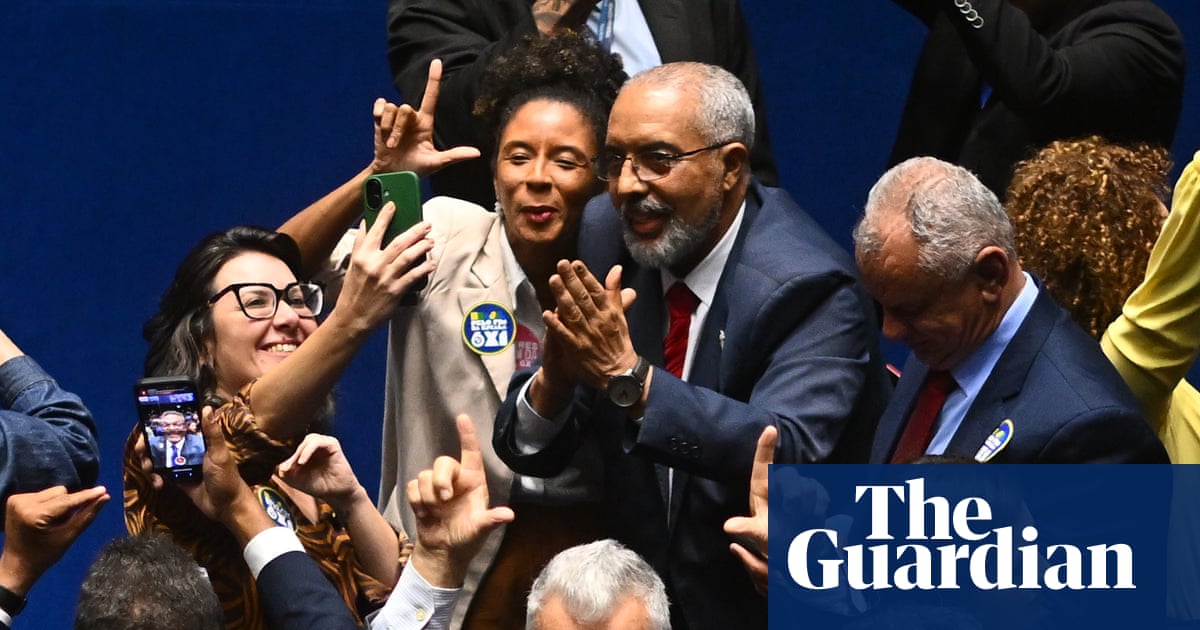
Brazil's Senate approved a constitutional amendment Wednesday to reduce the country's maximum workweek from 44 to 40 hours without reducing pay, marking the first constitutional reduction in the standard workweek since 1988. The amendment passed with overwhelming support: 75 to 1 out of 81 members in two consecutive votes. The lone dissent came from former Vice President Hamilton Mourao, a Bolsonaro ally.
The reform ends the widely practiced six-days-on, one-day-off schedule (6x1) and guarantees two paid rest days per week. The government estimates over 37 million formal-sector workers could benefit. Businesses are given 14 months to implement the change, a compromise after many demanded a gradual 10-year phase-in. Lula is expected to sign the measure into law next week, giving him a significant legislative win just 11 days before the October 25 runoff against Flávio Bolsonaro.
The political dynamics shifted markedly this week. Flávio Bolsonaro, who opposed the measure until Tuesday, reversed course and voted remotely for it as he campaigned in southern Brazil. Analysts attributed the shift to widespread public support—polls showed nearly 70% of Brazilians backing the measure—and fear that opposing it would hurt Bolsonaro in a neck-to-neck race. Lula noted that street protests and societal pressure forced the Liberal Party's hand after months of blocking the initiative.
The move reflects Lula's broader push to shore up support before the runoff, alongside fuel tax cuts, subsidies, small-business debt pardons, and welfare increases. Critics, including business groups, have long opposed the reform, citing potential cost increases, though proponents argue shorter hours improve worker health and work-life balance without reducing productivity.
Chanakya's Move
Lula's move was a masterclass in electoral timing and pressure absorption. He introduced the measure last year, let street protests and public sentiment build—reaching 70% support—then timed the Senate vote between the first and second rounds of the election to maximize political juice. When Bolsonaro signaled he might block it to appease business, Lula framed it as mob obstruction and let the Senate President schedule the vote anyway. Bolsonaro, trapped between his business base and voters, folded at the last moment. The counter-move: Bolsonaro reportedly told business leaders afterward that a new Congress—where he could hold a simple majority come February—might revisit the measure. That suggests the real fight isn't over; Bolsonaro is betting on either winning the runoff or controlling reversion risk if he loses. Lula's vulnerable flank is implementation: if businesses find compliance impossible or the economy stumbles, the shine fades fast.