
Photo via hindustantimes.com
Bomb near Colombia-Venezuela bridge injures police
Attack in border city of Cúcuta closes main crossing as violence escalates under new security strategy.
What happened
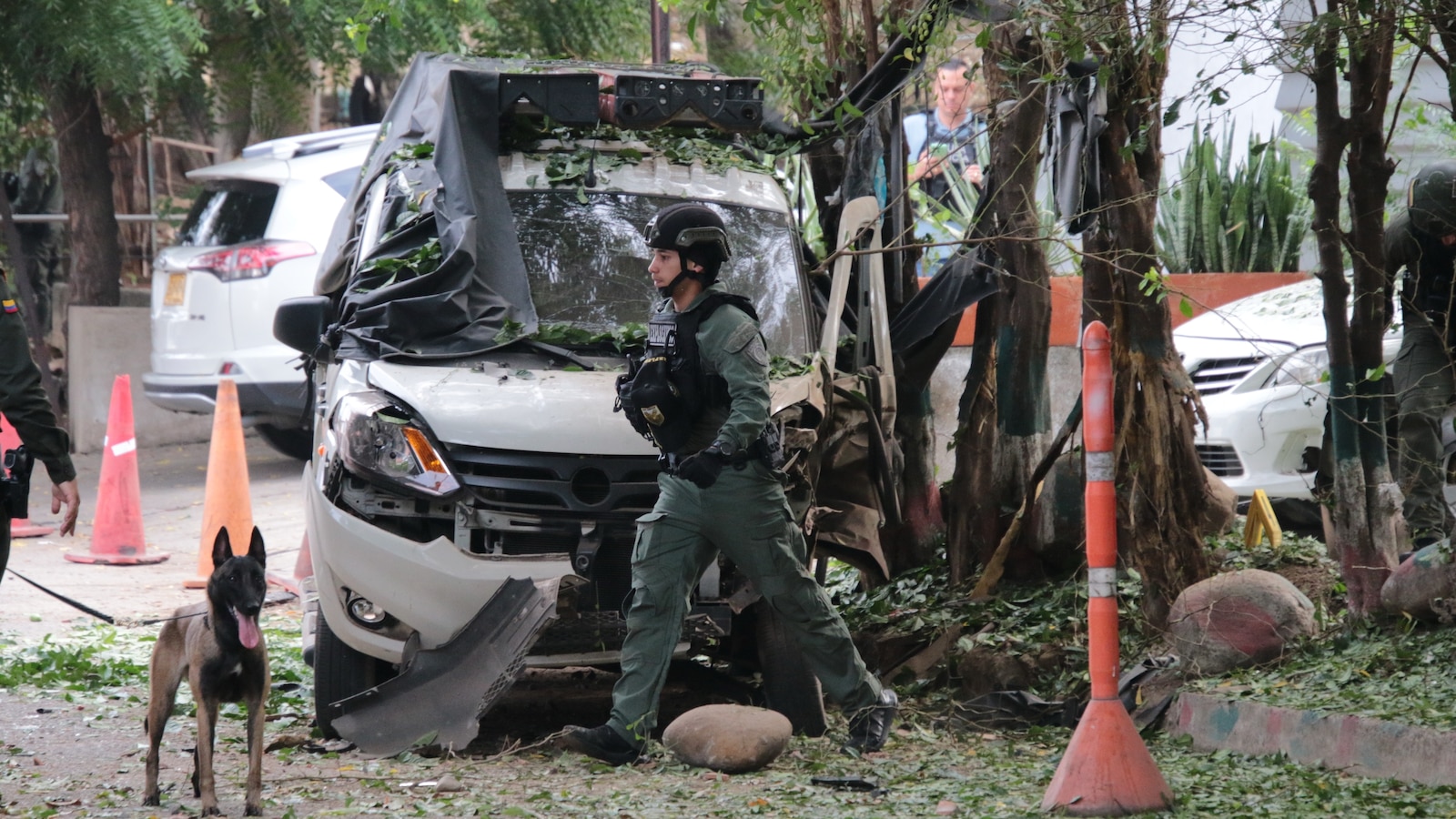
A bomb exploded Tuesday near the Francisco de Paula Santander International Bridge in Cúcuta, Colombia, injuring at least four police officers, according to authorities. The blast detonated at the DIAN customs complex in the El Escobal neighborhood, steps from the bridge that connects Colombia to the Venezuelan city of Ureña. Authorities immediately closed the bridge to pedestrian and vehicle traffic. No group claimed immediate responsibility, and police are investigating.
The attack occurs amid an escalating pattern of violence in Cúcuta's border corridor. On Monday night, former city official Miguel Castellanos was assassinated. In September, another attack on a police station injured eleven people. And in August, a car bomb outside a police base wounded eleven officers.
The blast coincides with a dramatic shift in Colombia's security policy. President Abelardo de la Espriella, sworn in August, cancelled peace talks with the National Liberation Army (ELN), Colombia's largest remaining rebel group. He has shifted strategy from negotiation to confrontation, launching military offensives and special task forces against armed groups. Officials have blamed the ELN for the August bombing in Cúcuta and similar attacks elsewhere.
The region has long been contested territory. The ELN and dissident FARC factions fight over the adjacent Catatumbo zone, which produces coca and serves as a key smuggling corridor into Venezuela. According to the U.S. Embassy, groups in the area have used commercially available drones fitted with explosives to attack police and military positions.
Chanakya's Move
De la Espriella ended peace talks and bet on military dominance to force armed groups to submit. This bombing—targeting a police staging area at a critical border chokepoint—suggests the ELN and allies are answering with escalation rather than capitulation. The attack is calibrated: high visibility (near a school, at a key bridge), low civilian toll (injuries, not mass casualties), and strategic location (customs and police). It signals the ELN retains operational capacity despite military strikes. De la Espriella faces a credibility test: if armed groups can strike sensitive targets repeatedly, his confrontational strategy loses its mandate. A counter-move would be intensified targeting of ELN sanctuaries in Venezuela or negotiated security agreements at border crossings—but both carry risks. Negotiations would undermine his hardline stance; unilateral military escalation could provoke wider conflict.