
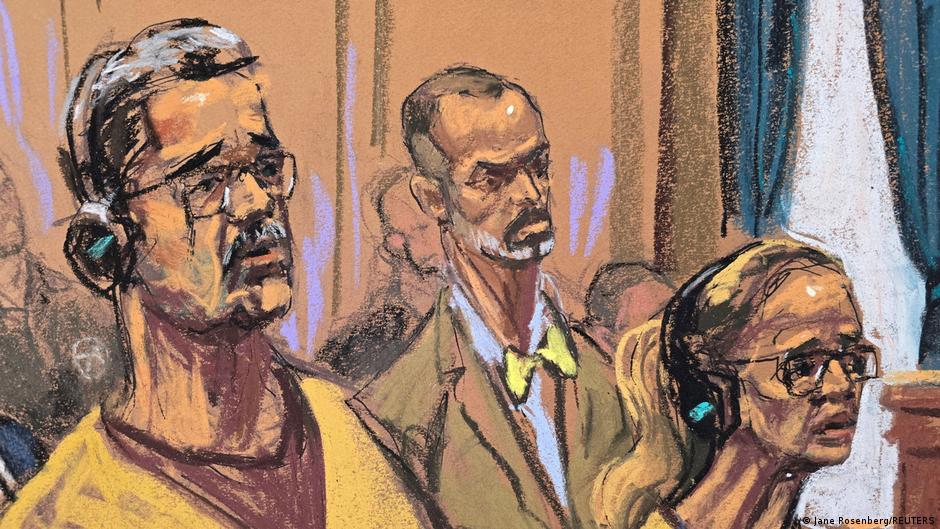
Photo via dw.com
Maduro pleads not guilty to torture conspiracy charges
The captured Venezuelan president and his wife faced new indictment allegations of overseeing systematic abuse of political opponents and American detainees.
What happened
Nicolas Maduro and his wife Cilia Flores appeared in Manhattan federal court on October 15 and pleaded not guilty to new conspiracy to torture charges, expanding a criminal case that already includes narco-trafficking and weapons allegations. The torture indictment, unsealed October 8, accuses the couple of overseeing a government-backed system of repression including beatings, electric shocks, asphyxiation, and psychological abuse carried out against political opponents, military personnel, and American citizens throughout Maduro's 2013-2026 presidency.
Prosecutors allege Maduro directed torture methods, sought updates on specific detainees, and personally threatened family members of prisoners to maintain his grip on power. Flores, a former attorney general, allegedly helped develop the repressive system and ordered torture of specific individuals. Both defendants deny the charges through their legal team.
Maduro and Flores were captured in a US military raid in Caracas on January 3, 2026, ordered by President Trump, and remain detained in New York. Their trial is scheduled to begin June 2027; if convicted on all charges, each faces a mandatory minimum of 50 years imprisonment. Acting President Delcy Rodriguez, Maduro's former vice president, has led Venezuela since his capture and has pursued cooperation with the Trump administration despite initially condemning his removal as an illegal kidnapping.
Chanakya's Move
The Trump administration's move to expand charges from pure narco-trafficking to human rights abuses achieves multiple strategic goals simultaneously: it insulates the January military raid from legal challenge by establishing a human rights justification alongside drug enforcement, broadens the indictment to make plea deals less attractive, and shapes the international narrative around Maduro's removal from a unilateral power play into a law enforcement action against an abuser. By pursuing torture charges in addition to drug charges, prosecutors lock Maduro into a long legal struggle, raise the reputational cost of negotiation, and establish template for future interventions. The counter-move available to Maduro's defense is challenging the legality of the military capture itself—but this requires overcoming the torture allegations' weight in public and judicial perception.