
Photo via malaymail.com
Australia, Philippines sign defense pact amid South China Sea tensions
Updated agreement streamlines military coordination, disaster response, and maritime cooperation between the two allies facing Chinese pressure.
What happened
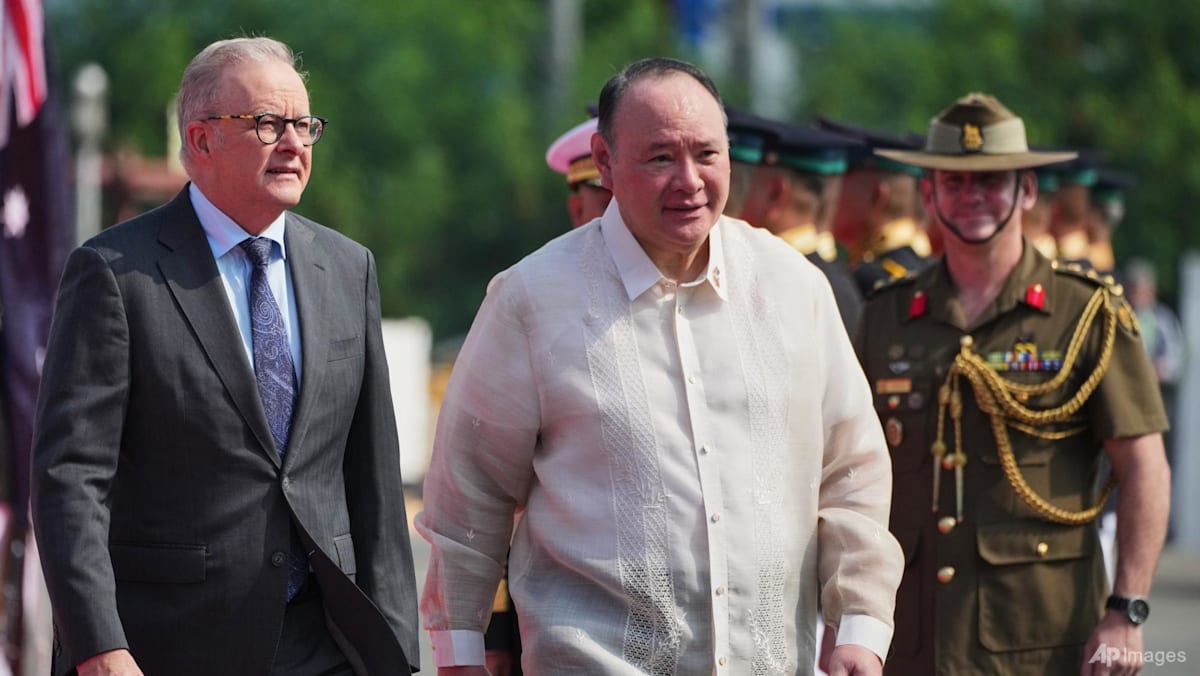
The Philippines and Australia signed an updated Defense Cooperation Arrangement (DCA) on November 15, 2026, streamlining their bilateral military partnership amid escalating tensions in the South China Sea. Philippine Defense Secretary Gilberto Teodoro said the pact would reduce bureaucratic procedures for joint military activities, simplifying coordination under their existing Status of Visiting Forces Agreement. Teodoro described the change colorfully: "Rather than 100 steps to do a single thing, it will just now take 10."
The agreement, which updates a 1995 Memorandum of Understanding, encompasses maritime operations, information sharing, defense infrastructure development, military hardware procurement, and joint exercises involving air, naval and ground forces. Australian Prime Minister Anthony Albanese witnessed the signing at Manila South Harbor, ahead of the 49th ASEAN Summit where the Philippines holds the chair. The pact also facilitates faster disaster response and humanitarian assistance.
The deal reflects both countries' shared strategic interest in the South China Sea, where Philippines has faced years of confrontations with China over disputed maritime areas. Australia has participated in 12 Philippine-led Maritime Cooperative Activities in the region since late 2023, deploying Royal Australian Navy warships and aircraft. The arrangement will bolster the Philippines' "credible deterrence posture" while complementing its longstanding alliance with the United States.
The timing reflects the two countries' deepening defense ties as China's military presence in the region expands. Australian Defence Minister Richard Marles previously noted that China's military build-up was creating a "condition of pressure" in Southeast Asia. The DCA does not establish permanent Australian military bases in the Philippines, distinguishing it from the Enhanced Defense Cooperation Agreement (EDCA) the Philippines maintains with the United States.
Chanakya's Move
This is Manila's move to consolidate its deterrence network without formal base-granting, while Australia deepens Indo-Pacific commitment. The Philippines is betting it can multiply defensive pressure on Beijing through bilateral arrangements that stop short of the U.S. EDCA model—maintaining strategic flexibility while avoiding the political cost of permanent foreign bases. Teodoro's emphasis on procedural streamlining ("100 steps to 10") signals the real game: making joint operations operationally feasible and rapid-response capable. Australia gains forward deployment benefits without the base-presence overhead. China's counter is likely rhetorical (accusing the allies of "inciting confrontation") rather than military, but Beijing can escalate maritime incidents to test the new coordination mechanisms. The pact's durability depends on whether reduced bureaucracy actually translates to sustained joint presence—if exercises and patrols don't materialize regularly, the DCA becomes symbolic.