
Photo via scmp.com
Alberta votes on separatism as Carney defends Canadian unity
Canadians woke to polling suggesting independence would lose decisively, but results may reshape separatist strategy as Trump threatens annexation.
What happened
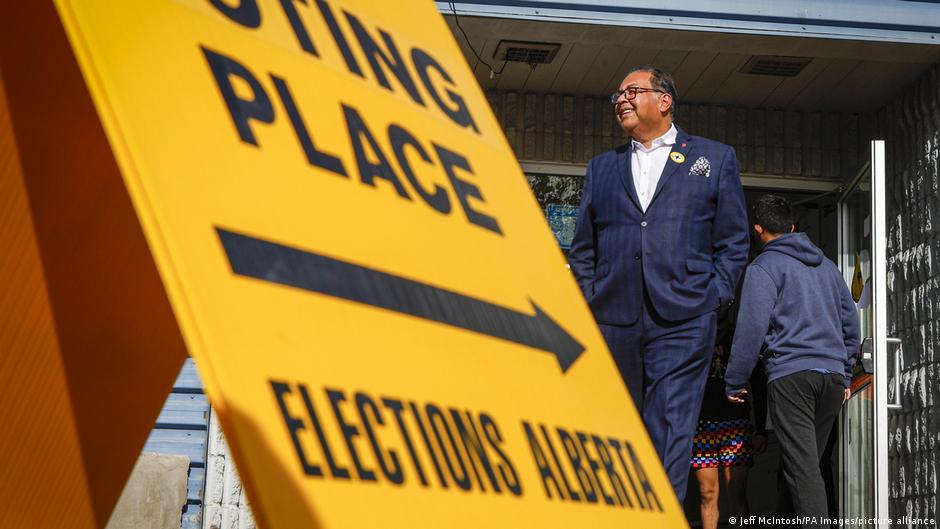
Albertans voted Monday on whether to pursue a binding referendum on separating from Canada, marking the first time the province's independence movement put separation to a popular vote. The non-binding referendum asked whether Alberta should remain part of Canada or begin the legal process toward a future referendum on secession. Pre-vote polling suggested roughly 65-75% of Albertans would vote to remain in Canada, with support for initiating separation hovering around 20-25%. The results were expected to begin arriving between 1-4 a.m. local time Tuesday, with official results not until October 29.
Prime Minister Mark Carney, who grew up in Edmonton, campaigned hard against separation, warning the referendum comes at the "worst possible time" for Canada. He emphasized the province's role in a post-Trump Canada, pointing to a proposed Pacific coast oil pipeline as evidence of what Alberta could achieve within Confederation. Alongside Premier Danielle Smith—who called the referendum despite opposing independence—Carney argued for Canadian unity at rallies across the province. The context amplified the stakes: Trump had renewed his annexation rhetoric just days earlier, declaring Canada would "end up being the 51st state," which paradoxically appeared to boost Canadian nationalism even in conservative Alberta.
Smith, facing pressure from separatist activists within her United Conservative Party, supported remaining in Canada while simultaneously backing nine other referendum questions seeking greater provincial control over immigration and constitutional changes. The separation movement itself has transformed from a fringe cause to a fixture in Alberta politics, driven by longstanding grievances over federal energy policy and oil regulation. Some separatist leaders said they would continue pursuing independence even if Monday's vote went against them, viewing the referendum as a benchmark and organizing platform rather than a final verdict.
First Nations issues also loomed over the vote. In May 2026, an Alberta court ruled that using the referendum process for possible separation raised constitutional concerns because First Nations were not consulted and separation could violate treaty rights. That legal challenge remained unresolved as voting occurred.
Chanakya's Move
Carney's move was to own Alberta as a federalist stronghold by pairing pro-energy policy with nationalist messaging (diversifying trade away from the US) and personally campaigning on his prairie roots. He gambled that Trump's recent annexation threats would scare Albertans back into the Canadian fold despite decades of federal energy policy grievances. Smith's move was tactical: calling a referendum she opposed to preempt a citizen-initiated one, hoping a clear federalist victory would mollify separatist activists within her party while she pursued constitutional concessions on immigration and power-sharing. The separatists' counter-move is that even a vote loss locks the issue into provincial politics permanently—they've transformed separation from fringe to mainstream talking point. Carney's vulnerability: if he fails to follow through on energy-friendly policies or if Trump's trade war worsens, he risks reopening the very divisions a strong unity result could paper over. Smith's vulnerability: Carney explicitly opposed her nine other referendum questions while supporting unity on separation, creating daylight between federal and provincial priorities.