
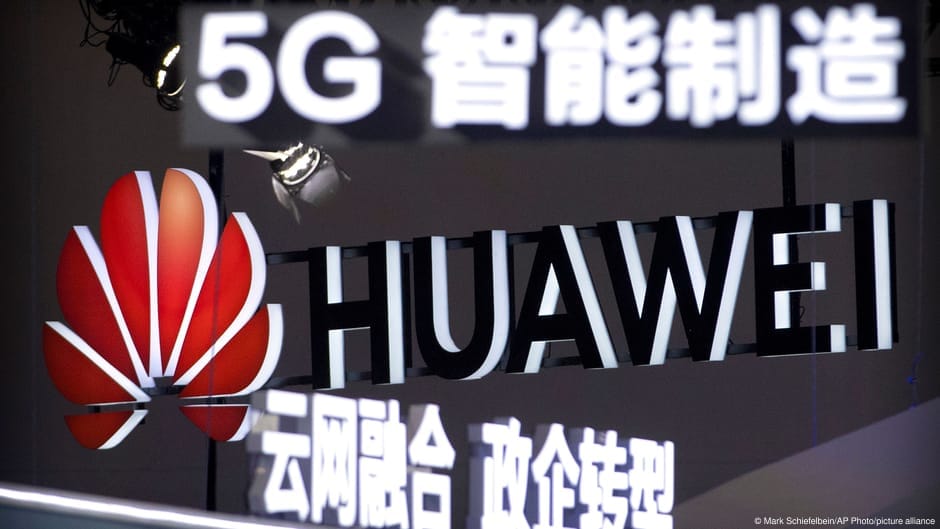
Photo via dw.com
US jury convicts Huawei on 10 counts; trade theft and Iran violations
Chinese telecoms giant found guilty of stealing trade secrets and sanctions evasion after 11-week trial; faces potential billions in penalties at September 2027 sentencing.
What happened
A federal jury in Brooklyn convicted Huawei Technologies on 10 of 12 criminal counts, including conspiracy to steal trade secrets, bank fraud, wire fraud, money laundering, and sanctions violations related to Iran operations. The company was acquitted on racketeering conspiracy and conspiracy to obstruct justice. The verdict came after a three-month trial in which prosecutors argued that Huawei had deliberately stolen proprietary technology from competitors including Cisco Systems, Motorola Solutions, T-Mobile, Quintel USA, and Fujitsu, and had concealed its Iranian operations through a shell subsidiary called Skycom to mislead banks including HSBC, Standard Chartered, and BNP Paribas.
Prosecutors also established that Huawei had supplied surveillance equipment to Iran's government and helped develop internet surveillance and censorship capabilities. Huawei said it plans to appeal the convictions, arguing that trade secret disputes were resolved as civil matters and that the racketeering acquittal vindicates its compliance culture. Sentencing is scheduled for September 14, 2027, when the company faces potential criminal fines, asset forfeiture, and restitution that could total billions of dollars.
The case began in 2018 when Huawei's then-CFO Meng Wanzhou was detained in Canada; charges against her were later dropped after a deferred prosecution agreement.
Chanakya's Move
The US prosecution's move is a long-term enforcement signal: after eight years of criminal investigation and three months of trial, the US secured convictions on core misconduct (trade theft, Iran fraud) while losing its overarching racketeering narrative. This is partly strategic defeat—the jury rejected the 'criminal enterprise' framing that the administration had pushed as justification for global Huawei exclusion. Huawei's defense won the racketeering acquittal by arguing the company operates through ordinary business practices, not as a systematic criminal organization. This matters because it weakens US pressure on allied governments, particularly those in Africa and Asia where Huawei supplies over half of 4G/5G infrastructure and where cost and performance, not ideology, drive decisions. The conviction's real power lies ahead: at sentencing (September 2027), penalties could reach billions, and regulators can cite the verdict to tighten export controls and push allied carriers to accelerate equipment replacement. Huawei's counter-move is the appeal and the racketeering acquittal narrative—both preserve the possibility that the core business model is sound and only specific actors erred. The company can point to the verdict's gaps and to its continued dominance in AI and telecom markets outside the US to argue that the conviction is narrow and enforceable but not existential.