
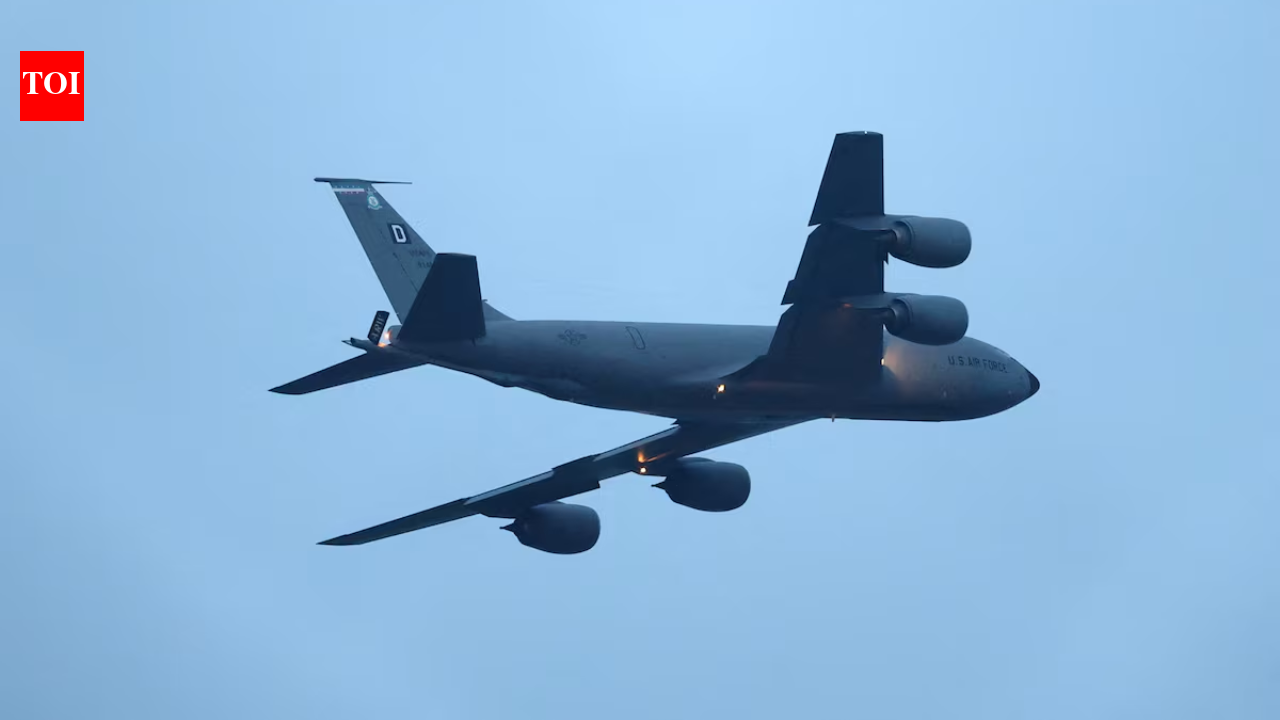
Photo via timesofindia.indiatimes.com
US Army Officer Arrested in UK on Russian Espionage Charges
A 41-year-old senior US officer stationed at NATO's rapid-reaction headquarters in Gloucester was arrested Tuesday on suspicion of attempting to steal secrets for Russia.
What happened
British counterterrorism police arrested a 41-year-old U.S. Army officer near Gloucester on Tuesday on suspicion of espionage linked to Russia. The unnamed officer was assigned to the Allied Rapid Reaction Corps (ARRC) at Imjin Barracks, a British-led NATO unit that coordinates military responses across 20 NATO nations. According to U.S. officials, the suspect is a senior field-grade officer—a rank spanning major through colonel—who held access to sensitive military information.
British authorities arrested the officer under two sections of the National Security Act 2023, for assisting a foreign intelligence service and obtaining or disclosing protected information. The investigation involved close cooperation between the Metropolitan Police's counterterrorism unit, the FBI, and U.S. military counterintelligence. "The alleged conduct of a senior soldier, entrusted with sensitive information, is a sobering reminder that insider threats are real and persistent," said Gen. Sean Stinchon, commander of U.S. Army Counterintelligence Command. FBI Director Kash Patel called the arrest "important," stating it involved espionage allegations of "utmost concern" to the U.S. and its allies.
The arrest comes amid rising Russian intelligence activities across Europe. NATO described sabotage and espionage threats as "record high" in 2025, with suspected Russian operations targeting military infrastructure, defense networks, and critical civilian systems. The incident is separate from recent U.S. aircraft relocations from British bases due to an Iranian threat.
The officer remains in custody at a London police station pending formal charges. His identity has not been released, though authorities indicated it would be disclosed after charging decisions are made.
Chanakya's Move
Russia's move is a long-term play in its hybrid warfare campaign against NATO. By recruiting or cultivating a senior officer embedded in NATO's rapid-reaction command—a unit designed to coordinate multinational crisis response—Moscow gains access to alliance coordination methods, decision-making processes, and the vulnerabilities of 20 allied nations. The timing aligns with a documented surge in Russian espionage, sabotage, and drone operations across Europe: NATO assessed sabotage threats as "record high" in 2025, and Russia has escalated recruitment of both professional intelligence targets and local agents in Europe. The bet is asymmetric: Russia risks exposing a single agent to gain insight into allied planning without escalating to conventional conflict. A counter-move by NATO would involve tightening personnel security vetting, restricting access to sensitive positions for officers with certain profiles, and accelerating counterintelligence operations to identify other Russian recruitment networks within allied commands.