
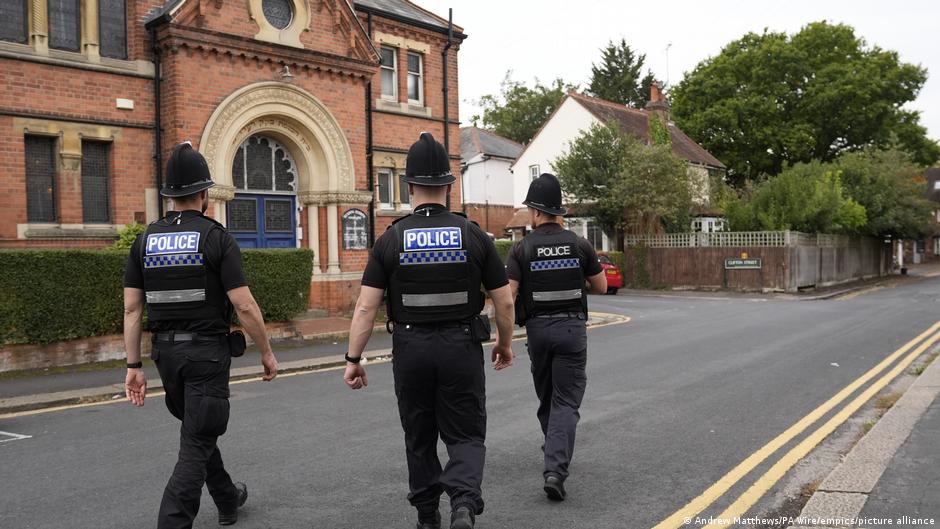
Photo via dw.com
UK charges two Iranian nationals over alleged bomb plot targeting Manchester's Jewish community
Two Iranian men were remanded in custody after appearing in London court Saturday, accused of planning a homemade explosive attack on Jewish sites ahead of Yom Kippur. The charges come amid a string of antisemitic attacks in Britain and separate alleged Iranian-backed plots.
What happened
Two Iranian nationals, Rahman Salehi, 34, and Salam Ahmadyan, 36, were charged Friday with preparing acts of terrorism targeting Manchester's Jewish community. They appeared in Westminster Magistrates' Court on Saturday, where neither entered a plea and were remanded into custody pending an October 23 hearing at the Old Bailey. The men were arrested on September 20, the eve of Yom Kippur, almost exactly one year after a deadly car and knife attack at Manchester's Heaton Park Synagogue killed two worshippers.
According to prosecutors, the two men conducted hostile reconnaissance of potential targets including the Manchester Jewish Museum and Heaton Park Synagogue, and allegedly attempted to acquire components to build a homemade explosive device. The Crown Prosecution Service said the pair had been in contact with an overseas third party believed to be based in Iran, who allegedly provided instructions on assembling a chlorine bomb. Police said they have disrupted the plot and believe there is no ongoing threat to the public.
The charges reflect what British authorities describe as a wider pattern of Iranian state activity targeting Jewish communities in Britain. Home Secretary Shabana Mahmood said the UK faces "a range of serious threats" from Iran, which targets Jewish communities and attempts to silence critics overseas "often through proxies and criminal networks." The case emerges alongside separate allegations that Iran was involved in a suspected plot near RAF Fairford, a British airbase used by US bombers to strike Iranian targets.
Chanakya's Move
The timing and pattern suggest Iran may be testing UK response capacity. Two nearly simultaneous alleged plots—this one and the RAF Fairford case—arriving within days and involving both overseas-directed operatives and domestic contacts, could indicate Tehran is probing whether British intelligence can detect and disrupt coordinated multi-vector operations. If Iran is indeed directing these plots via the Quds Force or affiliated networks, the strategy appears to be maintaining pressure on Jewish and Israeli-linked targets while also signaling vulnerability of UK military infrastructure used against Iran. Britain's rapid public attribution to Iran in the RAF Fairford case may have prompted this more cautious prosecutorial approach here—charging individuals rather than openly naming state direction, limiting Iran's escalation options while preserving legal leverage.