
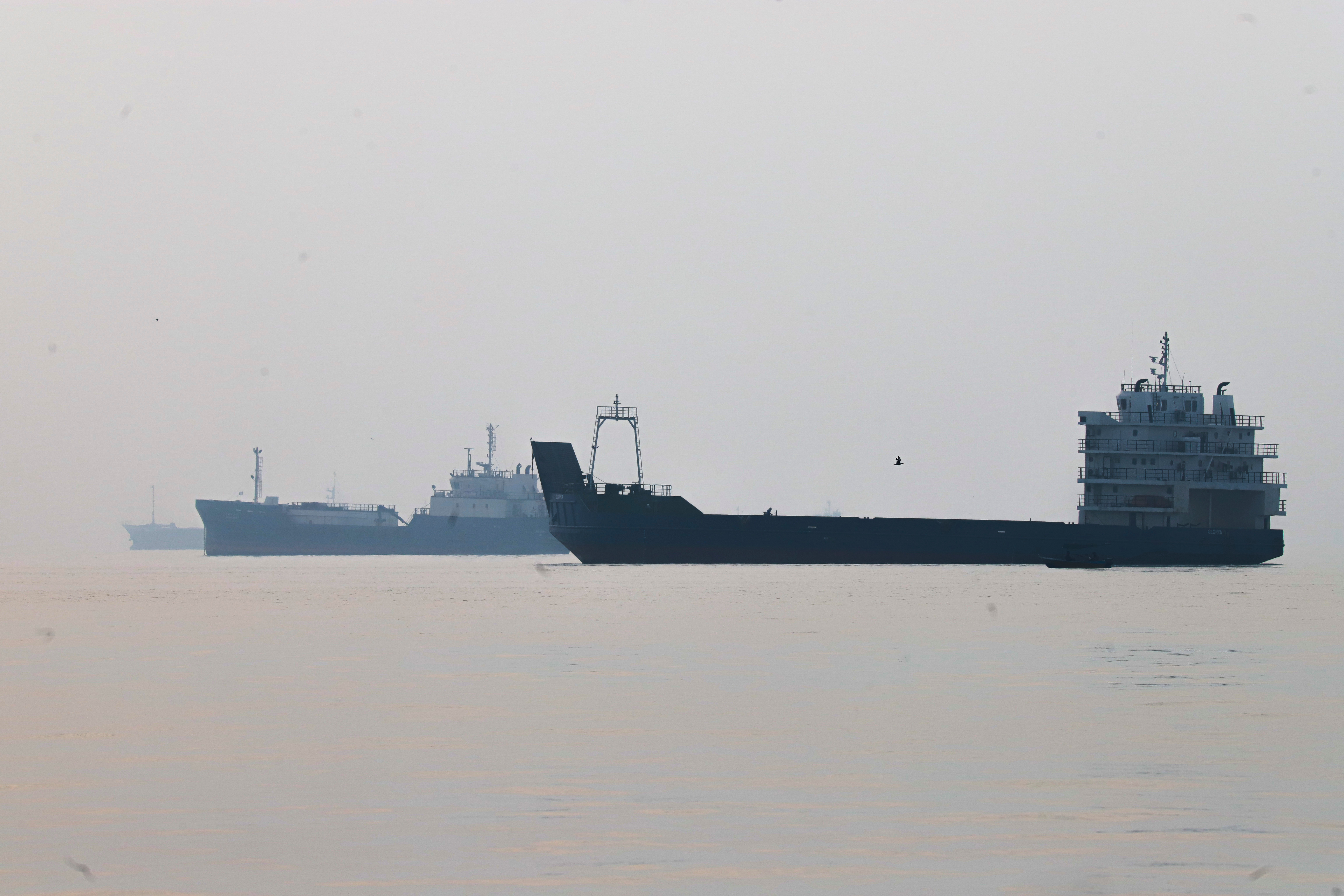
Photo via arabnews.com
UAE rescues 22 crew from burning tanker in Arabian Gulf
Coast Guard responds to distress call as maritime security risks mount in the Gulf amid rising attacks
What happened
The UAE National Guard rescued 22 Asian crew members from an oil tanker that caught fire in the Arabian Gulf on Saturday, according to an announcement from the National Guard. The Coast Guard received a distress call from the tanker's crew reporting a fire aboard, and specialized teams were dispatched immediately to locate and reach the vessel. All crew members were evacuated safely, provided first aid, and handed over to relevant authorities.
The National Guard did not identify the tanker or disclose the cause of the fire. The rescue comes amid a wider surge in maritime incidents in the Gulf. On Friday, a Panama-flagged crude tanker identified as GEM NO.2 was struck by an unidentified projectile about 13 nautical miles west of Al Jazeera in the UAE, causing a fire that was subsequently extinguished.
That vessel carried 22 Indian crew members. The cause of the Saturday rescue incident remains unclear, and it is not yet confirmed whether it involves the same vessel or a separate tanker. Tankers in the region face heightened security risks as Iran has threatened to block shipping routes through the Strait of Hormuz that it has not authorized, and multiple attacks on commercial vessels have occurred in recent weeks.
Chanakya's Move
The UAE National Guard's swift response demonstrates capacity for maritime emergency management but also signals growing operational pressure on the region's waterways. The National Guard's decision not to identify the tanker or fire cause—despite publicly naming the GEM NO.2 attack the day prior—suggests either operational ambiguity or deliberate opacity. If the Saturday incident is indeed a separate vessel, it reinforces Iran's apparent strategy of dispersing attack risks beyond the Strait of Hormuz into anchorage zones. If the same vessel, the delayed rescue announcement could indicate complications. Either way, the pattern signals that hostile actors are expanding the geographic scope of their operations, making protected anchorages less secure and forcing shipping operators to recalculate risk across a wider Gulf footprint.