
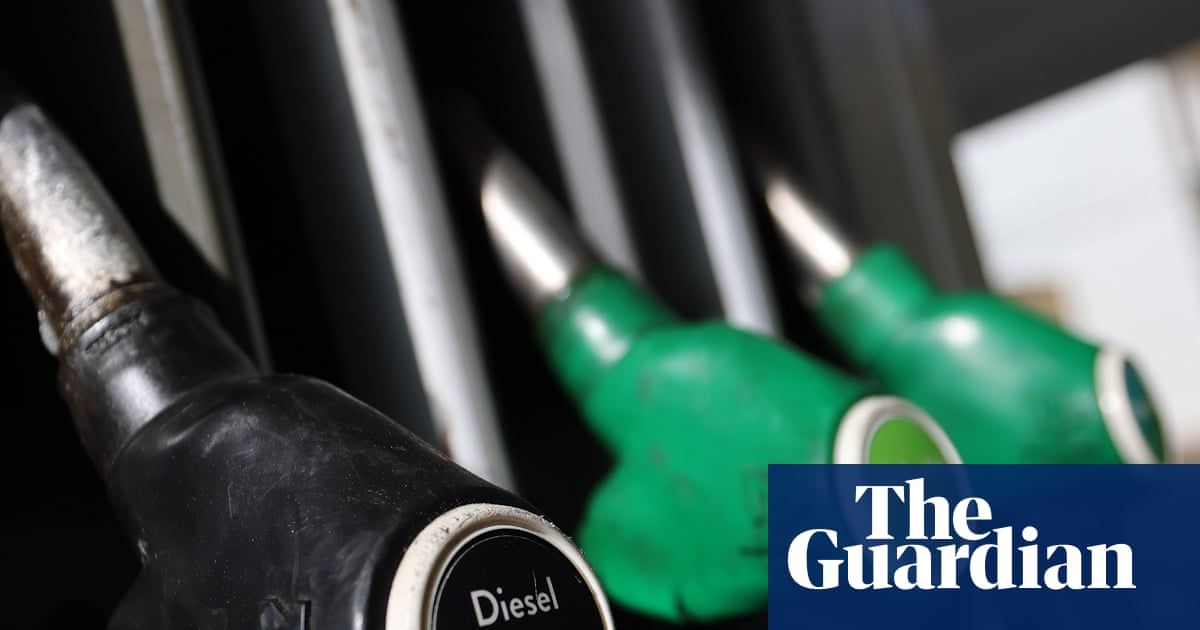
Photo via theguardian.com
Trump pressures Europe to release emergency diesel reserves, threatens export ban
The White House demanded Europe release 120 million barrels of strategic diesel over six months to ease global fuel prices ahead of November midterms, threatening a ban on US exports if countries like France and Germany refuse.
What happened
Britain and key European allies convened emergency talks Thursday after the Trump administration told Germany and France to draw down emergency diesel inventories to help ease surging global fuel prices or face a potential ban on US diesel exports. US Trade Representative Jamieson Greer told European counterparts at G20 talks in Milwaukee that the administration expects Europe to release strategic reserves immediately, with US Treasury Secretary Scott Bessent pressing nations to accelerate delivery on existing commitments.
The administration specifically requested the EU release 120 million barrels of diesel over six months—more than 40% of current EU strategic reserves. Officials from the UK, Germany, France, Italy and Ireland held crunch discussions Thursday with the European Commission to weigh whether to comply. The Trump administration expressed deep frustration that France and Germany have not fully executed prior pledges to draw down petroleum reserves.
Global diesel prices have surged to record levels following conflict in the Middle East and ongoing Russian export restrictions, complicating supply chains for trucking, agriculture and industry worldwide. High fuel costs loom as a significant threat to Trump's Republican Party ahead of the November midterm elections. Energy Secretary Chris Wright stated the administration expects announcements from Europe on new diesel supplies to make up for lost exports from China and the Middle East.
Some analysts warn that a US diesel export ban could backfire by disrupting refinery operations and potentially increasing gasoline prices domestically, though Trump acknowledged such a ban might have negative impacts on gas prices.
Chanakya's Move
Trump is leveraging the global diesel crisis—itself a product of his administration's Iran war—to solve a domestic political problem before November midterms. The play is transactional: threaten selective export bans to force Europe to absorb global supply pressure by releasing reserves, thereby lowering US prices without bearing the domestic cost of a full export ban. But the strategy reveals two vulnerabilities. First, Europe has limited leverage to return fire without breaking NATO or disrupting trade further, so compliance looks likely—but slow and partial. Second, analysts and even Trump himself acknowledge that banning US diesel exports could raise US gasoline prices, reversing the political benefit he seeks. The counterplay is for Europe to coordinate a unified response (as they appear to be doing through the EU Commission), make only modest reserve releases, and wait out the threat by appealing to shared Atlantic security interests. China and Middle Eastern producers will watch to see if energy coercion becomes Trump's standard tool for managing commodity prices—a precedent that could reshape energy diplomacy globally.