
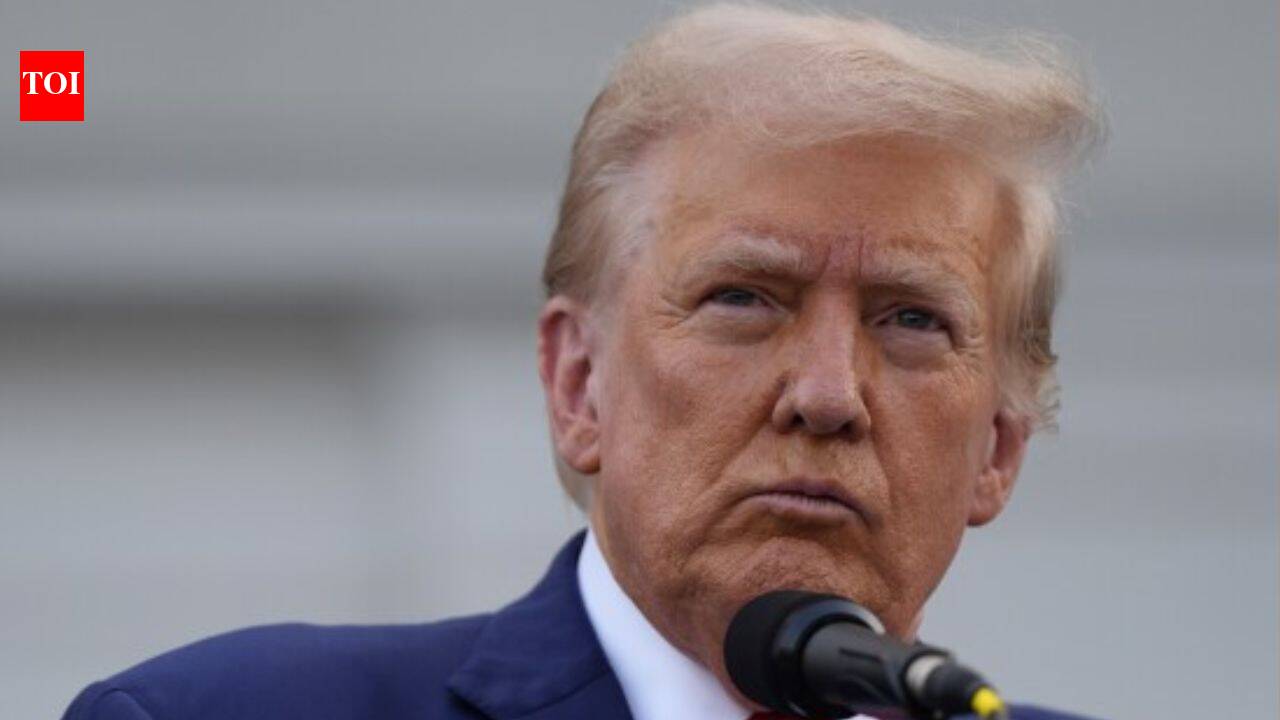
Photo via ndtv.com
Trump Backs Hegseth After GOP's Midterm Rout
Though reports said the president asked advisers about removing the Defense Secretary, Trump publicly ruled out firing Hegseth despite Republican losses blamed on the Iran war.
What happened
President Donald Trump publicly backed Defense Secretary Pete Hegseth on Wednesday, a day after Democrats won control of both the House and Senate in midterm elections. The president told reporters Hegseth was "doing a very good job" when asked about replacing him, dismissing reports that he had been consulting advisers on whether to remove the defense secretary.
The public support came despite multiple sources telling CBS News that Trump was asking advisers whether to fire Hegseth following Republicans' decisive losses in the November 4 elections. Trump and Vice President JD Vance had both blamed the unpopular war with Iran for the Republican defeat, which saw Democrats gain seven Senate seats and 25 House seats. Some White House aides predicted blame for the losses could fall on military commanders tied to the Iran war strategy rather than Hegseth himself.
Hegseth now faces growing pressure from both sides. Democrats vowed investigations and possible impeachment once they take control of Congress, with House Minority Leader Hakeem Jeffries suggesting Hegseth would be "run out of town." Meanwhile, some Republicans on Capitol Hill have already turned against the combative defense secretary, viewing him as having oversold the war's swift resolution.
When asked about speculation that Hegseth might pursue Tennessee Senator Marsha Blackburn's seat, Trump predicted the defense secretary would be "very popular" in that race. Pentagon spokesperson Sean Parnell stated Hegseth remains "100% committed to leading the Department until the end of President Trump's term in office." White House spokeswoman Anna Kelly said Trump "has full confidence in Secretary Hegseth."
Chanakya's Move
Trump is managing a credibility crisis: he must defend Hegseth publicly to appear decisive and loyal, while keeping the option to fire him if the political cost of the Iran war becomes unbearable. By praising Hegseth while consulting advisers on his removal, Trump preserves flexibility—he can either keep him if sentiment shifts, or remove him later and claim it was a new assessment. The real play is timing: removing Hegseth now would look reactive; keeping him invites Democratic impeachment efforts and the perception that Trump takes no responsibility for the war. Trump's suggestion that Hegseth could pursue a Senate seat is a hedging move—a dignified exit path if needed, or a genuine probe of an alternative role. The key variable is whether Republican losses feel "settled" to voters and Congress by spring 2027, or whether the political bleeding continues, forcing Trump's hand.