
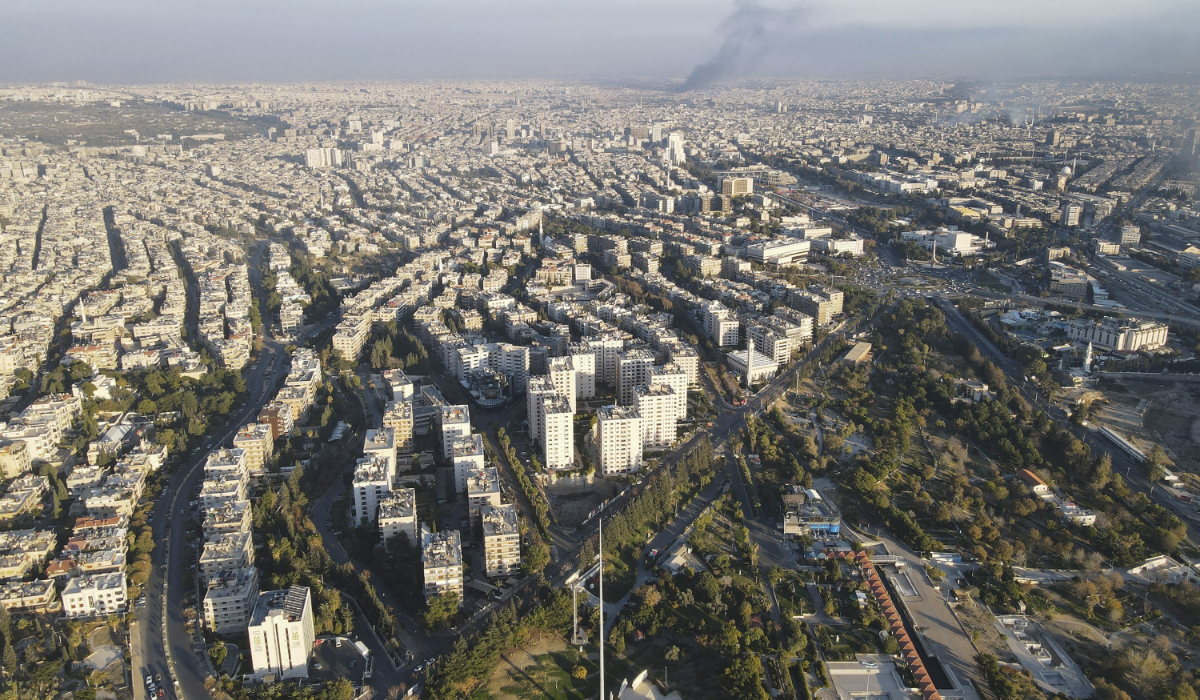
Photo via arabnews.com
Syria, World Bank launch $216B reconstruction trust fund
Multi-donor START fund becomes centerpiece as Damascus exits Russian financial sphere for Western and Arab alignment.
What happened
Syria and the World Bank agreed October 18 to establish the Syria Recovery and Reconstruction Trust Fund (START), a multi-donor mechanism designed to coordinate reconstruction financing. Announced at the annual meetings of the IMF and World Bank in Bangkok, the fund will provide concessional financing, investment guarantees, technical assistance and capacity building. The World Bank will administer it in coordination with donors and development partners, following priorities set by Syrian authorities.
Norway and the Netherlands have already pledged contributions—roughly $9.5 million and €15 million respectively—with partners from the US, Europe and the Middle East expressing support for the initiative. The World Bank estimates Syrian reconstruction will cost approximately $216 billion, making it one of the most expensive rebuilding efforts in history. The fund agreement coincides with a significant geopolitical realignment: Syria announced it will rejoin the Arab constituency at the IMF effective November 1, exiting the Russian-led group it joined in 2012.
This withdrawal reflects Syria's broader pivot following Bashar al-Assad's fall in December 2024 and the rise of an interim government under Ahmed al-Sharaa. Syrian Finance Minister Mohammad Yisr Barnieh characterized the fund as marking a new phase of cooperation with international partners. The timing reflects Damascus' strategy to access Western and Gulf capital critical to postwar recovery after over a decade of civil war.
Chanakya's Move
The START fund is Syria's opening move to lock Western and Arab capital into postwar reconstruction before any shift in the interim government's political orientation. By creating a formal World Bank-administered structure with up-front pledges from Norway, Netherlands, and tacit support from the US and Gulf states, Damascus makes reversal of Western alignment costly for donors while maintaining Syrian state control over sector priorities. The simultaneous exit from the Russian IMF group is the strategic counterweight—a public signal of financial reorientation that forecloses Moscow's ability to claim oversight of Syrian recovery. The move assumes Syria's interim leadership remains stable and Western powers maintain appetite for reconstruction investment despite ongoing governance and security risks. If political fracturing occurs or security deteriorates, the fund's effectiveness could collapse, and donors could pivot leverage toward excluding Russian reconstruction contracts or conditioning aid on governance reforms.