
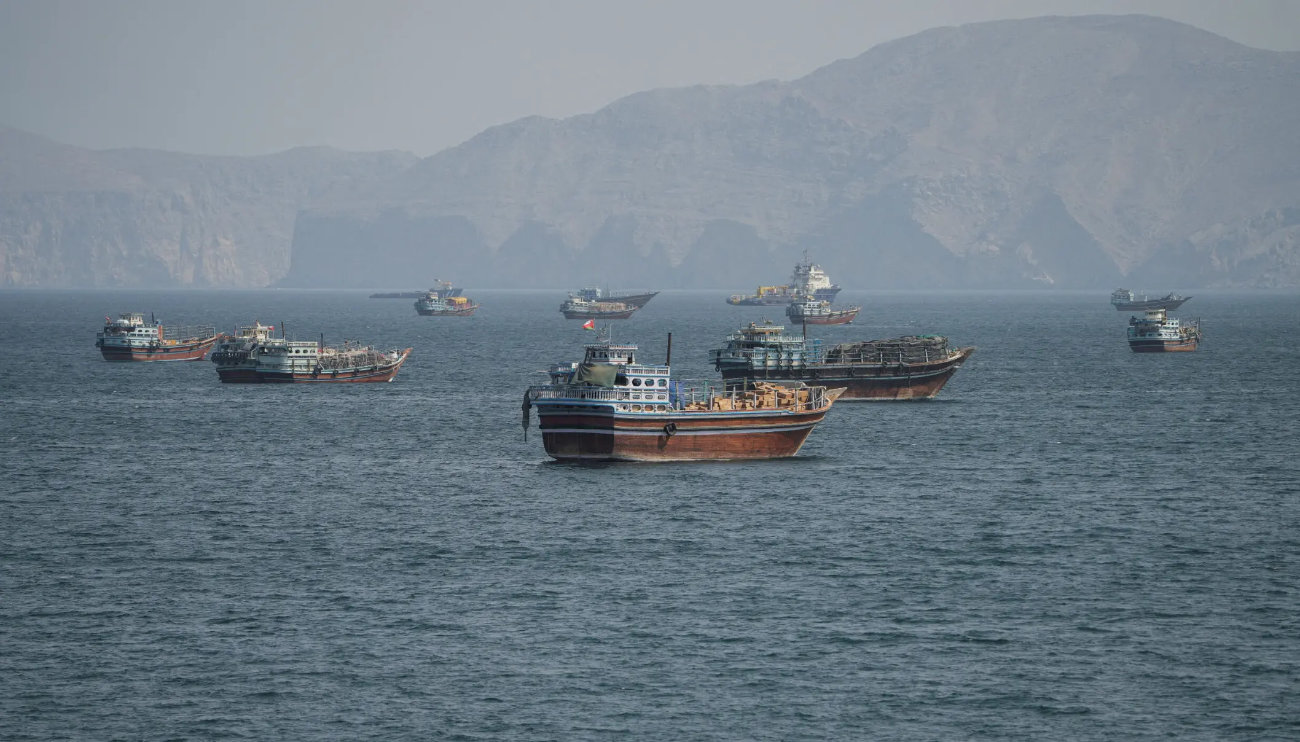
Photo via arabnews.com
South Korea Expands Naval Unit Toward Strait of Hormuz
Seoul will submit a parliamentary motion to extend its anti-piracy Cheonghae unit to waters nearer the strategic strait, adding aircraft and mine-clearance assets under Trump pressure.
What happened
South Korea's Defense Ministry announced it will submit a motion to parliament to extend and expand its Cheonghae anti-piracy unit, currently stationed in the Gulf of Aden since 2009, to waters south of Oman, approximately 650 kilometers from the Strait of Hormuz. The unit's current deployment mandate expires at year-end and needs parliamentary approval to continue. The government plans to add a P-8A Poseidon maritime patrol aircraft, unmanned mine-clearance systems, an explosive ordnance disposal team, and 75 personnel, expanding the unit from roughly 300 to 375 service members.
Defense officials stressed the mission will remain independent of allied command and will not enter the Strait itself or surveil Iranian territory. The expansion represents South Korea's first military contribution to the region since the U.S.-Iran conflict began in February 2026. The move comes after sustained pressure from President Donald Trump to provide greater support for the war effort.
In September, South Korean President Lee Jae Myung drew a careful distinction, ruling out any deployment that would "involve or intervene in the war" while acknowledging Seoul's need to protect its vital interests—South Korea sourced 70 percent of its oil from the Middle East in 2025, most transiting the Strait of Hormuz. The present announcement walks that line: framed as anti-piracy and navigation protection rather than combat support, yet extending Seoul's military presence significantly closer to the conflict zone.
Chanakya's Move
Trump has applied sustained pressure on Seoul to visibly support the Iran war, threatening alliance cohesion and scaling back military cooperation. South Korea's move frames a military expansion as a defensive response to piracy and energy security—not war participation—allowing it to appear responsive to U.S. demands while maintaining the domestic political line that it will not enter the conflict. The bet: that the P-8A and expanded presence will satisfy Trump's demand for "help" without triggering enough domestic backlash to doom the parliamentary vote or Iranian retaliation that would force direct escalation. The counter: public opposition could prevent approval, or Iran could test Seoul's stated boundaries, forcing Seoul to choose between backing down and deeper involvement.