
Photo via economictimes.indiatimes.com
Rubio condemns Houthi attack on Riyadh financial tower
Second strike on Saudi wealth fund HQ injures 11, sparking US-Saudi diplomatic reaffirmation.
What happened
Yemen's Iran-backed Houthis struck a tower in Riyadh's King Abdullah Financial District on Tuesday, injuring 11 people—including two Indians, three Nepalis, and four Egyptians—according to Saudi Civil Defence. The 80-storey Public Investment Fund Tower, headquarters of Saudi Arabia's sovereign wealth fund, was hit for the second time in less than a week. The Saudi-led coalition called it a "cowardly terrorist attack."
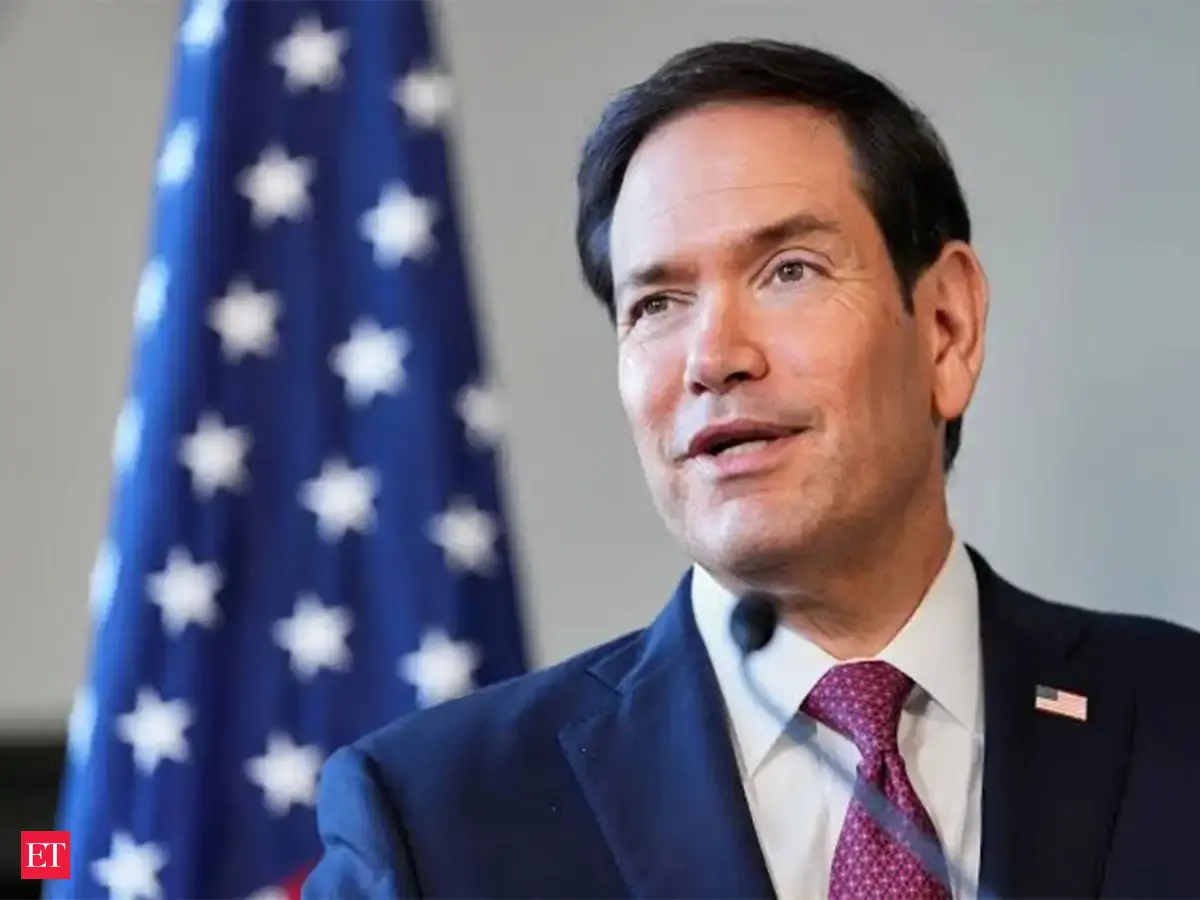
In response, US Secretary of State Marco Rubio held a telephone call with Saudi Foreign Minister Prince Faisal bin Farhan Al Saud, condemning what the State Department characterized as "Iran-backed Houthi terrorist attacks on Saudi civilian and energy infrastructure." The two officials also discussed freedom of navigation in the Strait of Hormuz and Bab el-Mandeb. The attack marks the third strike on the financial district in recent weeks, following a November 8 strike on a Saudi Aramco office and the November 19 hit on the PIF Tower itself.
The Houthis have escalated missile and drone attacks across Saudi Arabia since late February, when the US-Iran conflict flared. Saudi air defences have intercepted many of the projectiles, but some reach their targets, raising concerns about Riyadh's ability to protect high-profile economic assets.
Chanakya's Move
The Houthis are betting that repeated symbolic strikes on Riyadh's financial heart will erode both Saudi Arabia's international reputation as a safe investment hub and Crown Prince Mohammed bin Salman's political legitimacy. By targeting the PIF Tower—a physical manifestation of Saudi economic ambitions—they exploit a vulnerability: air defenses can intercept missiles, but cannot eliminate the perception of vulnerability itself. Rubio's rapid diplomatic response signals US commitment to Saudi Arabia, but it could also signal to Riyadh that Washington's rhetorical support is not yet coupled with new military assets or authorization for deeper strikes in Yemen. The Houthis' counter-move: threaten broader attacks on Red Sea ports, forcing the US to calculate whether economic disruption outweighs escalation risk.