
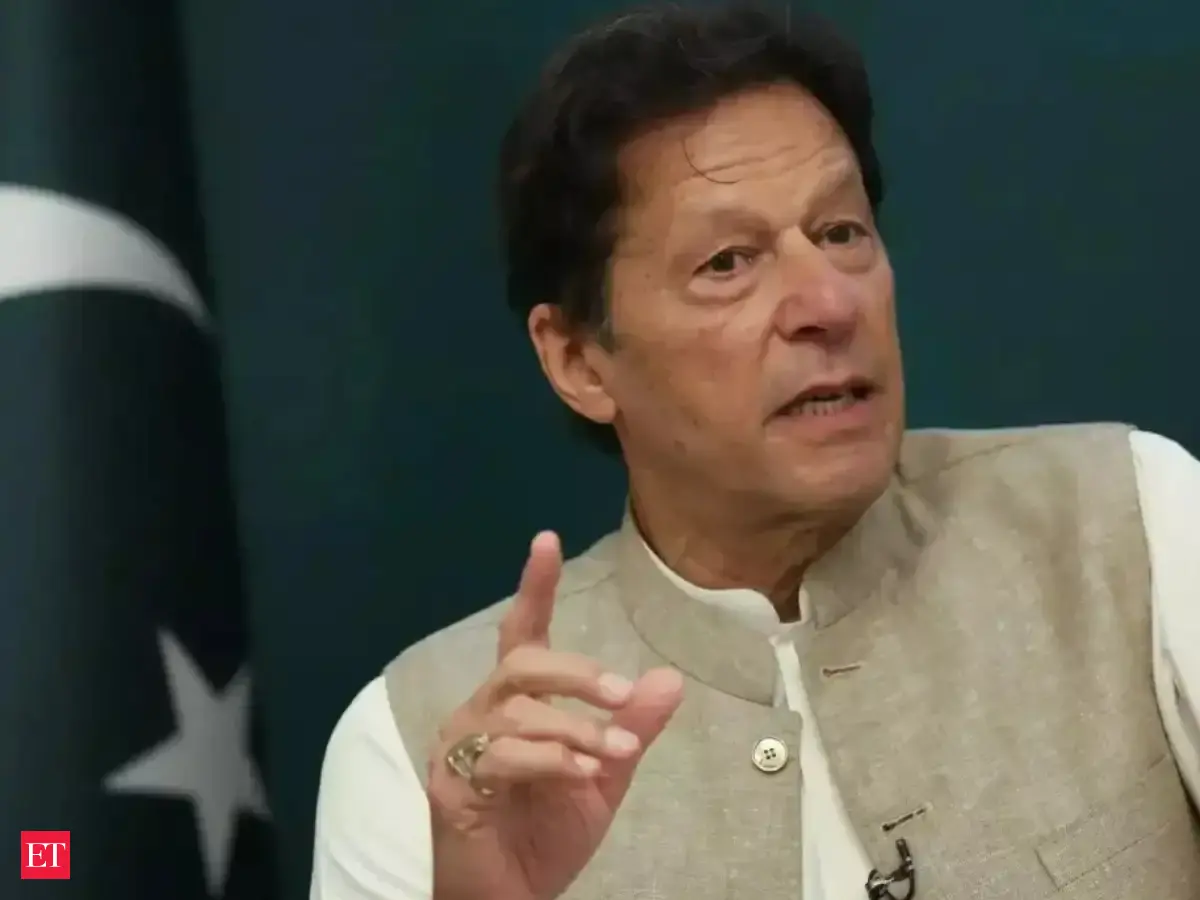
Photo via economictimes.indiatimes.com
Pakistan suspends Khyber Pakhtunkhwa government under emergency rule
Federal authorities declare six-month emergency in PTI-ruled province, arresting chief minister and placing ex-CM under house arrest as mass protests demand jailed founder's release.
What happened
Pakistan's President Asif Ali Zardari declared a state of emergency in Khyber Pakhtunkhwa on October 11, suspending the provincial government led by Imran Khan's PTI party. The move invoked Articles 232 and 234 of the constitution dealing with security. Hours after the announcement, Chief Minister Sohail Afridi and the provincial PTI president were arrested, while ex-Chief Minister Ali Amin Gandapur was placed under house arrest.
The federal government cited the province's deteriorating security situation and what it called the provincial government's "deliberate disengagement from the fight against terrorism." Prime Minister Shehbaz Sharif's office also noted the breakdown of negotiations between federal and provincial delegations. Governor Faisal Karim Kundi will assume administrative control with an 11-member advisory council for an initial period of six months.
The emergency followed a long march launched by the PTI from Khyber Pakhtunkhwa on October 4, during which thousands of supporters of imprisoned former Prime Minister Imran Khan marched to demand his release and access to him by doctors. Negotiations collapsed over disagreements on counterterrorism cooperation and the protesters' demand for Khan's visitation rights.
The federal government also authorized the deployment of Pakistan Army troops to assist civilian administration under Article 245 of the constitution. The emergency marks an escalation of political tensions between the federal government and the PTI, which won significant seats in the 2024 election but controls only Khyber Pakhtunkhwa at provincial level.
Chanakya's Move
This is a consolidation move by the federal government (Shehbaz Sharif's faction) to eliminate the PTI's sole remaining power base before the party can translate street protest into permanent political gains. The Sharif government is betting that by suspending the elected government on security grounds—a credible claim given Khyber Pakhtunkhwa's militant history—it can avoid the appearance of pure authoritarianism while removing a venue for PTI mobilization. The arrest of Afridi and detention of ex-CM Gandapur signal intent to prevent the party from using provincial office to fuel or coordinate the march to Islamabad. Vulnerabilities: if terrorism actually increases under federal direct rule, the pretext collapses; if the six-month window produces no visible improvement, Sharif must either extend emergency rule (costly politically) or restore an elected PTI government that will immediately resume agitation. Counter: the PTI could use the next six months to claim victimhood and build underground organization, positioning the 2024-style narrative of military-judicial persecution as confirmed.