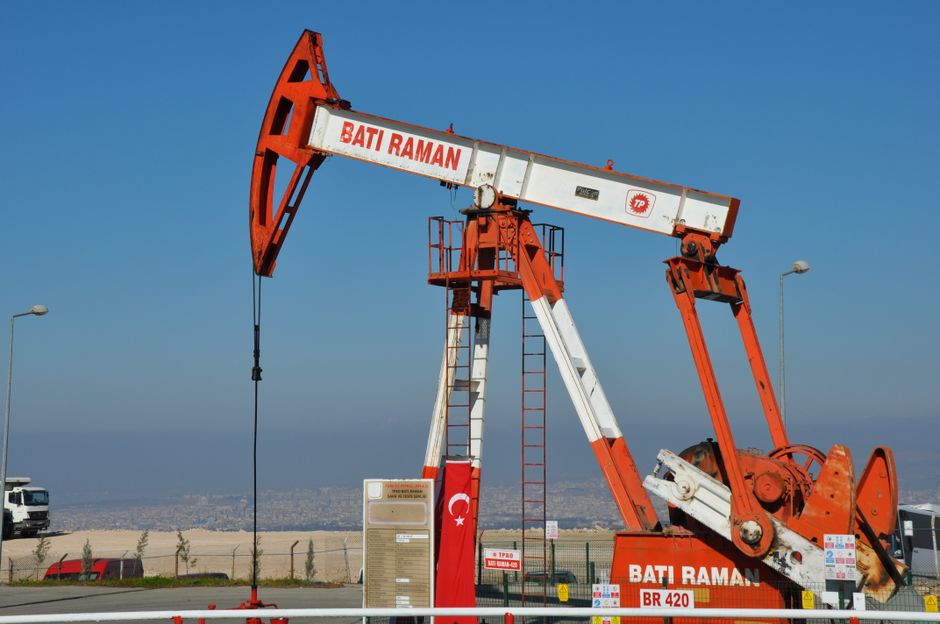
Oil Rebounds Above $100 as Traders Eye US-Iran Diplomacy at UN This Week
Brent crude climbed back above $100 after four days of declines, fueled by hopes that President Trump and Iranian President Pezeshkian could meet during the UN General Assembly. Iran has conveyed conditions for negotiations as regional mediation efforts accelerate.
Oil prices recovered above the $100 mark on Tuesday after a four-session decline, as traders repositioned on the possibility of US-Iran discussions at this week's United Nations General Assembly. Brent crude futures for November settled at $101.75 a barrel in early trading, while the corresponding WTI contract stood around $98. The recovery reflects market optimism that direct or indirect diplomatic engagement could provide a path toward reopening the Strait of Hormuz, through which roughly one-fifth of global oil supplies normally transit.
President Trump signaled he would probably be open to meeting Iranian President Masoud Pezeshkian on the sidelines of the UN gathering in New York, a notable shift in tone after weeks of escalatory rhetoric. Meanwhile, Iran has conveyed its conditions to mediators for returning to negotiations, according to Al Jazeera reporting citing Iran's security chief. Qatari officials have also been active in shuttle diplomacy, with the Qatari Prime Minister urging Gulf states to cooperate and noting that messages are being exchanged between Washington and Tehran.
The price recovery occurs despite continued military tension. Yemen's Iran-backed Houthis said they attacked Riyadh and a Saudi Aramco facility in Yanbu on Sunday, while Libya's closure of part of the Sharara crude pipeline reduced production by roughly 200,000 barrels per day. However, US Central Command reported that crude and LNG flows through Hormuz have reached a six-month high, with main transit lanes clear of mines. Saudi Arabian exports through the strait rose over the weekend, suggesting that despite broader blockade efforts, some commercial resilience is emerging.
The Strait of Hormuz has been effectively restricted since fighting between the US and Iran escalated in February 2026, with Iran demanding that ships use a northern route through its territorial waters or face attack. A planned high-level diplomatic meeting in Oman involving Iran and Gulf Cooperation Council foreign ministers had been postponed earlier this month due to regional disagreements, though talks between Iran and Oman on joint management of the strait continue.
How could this affect you
Traced by who's actually in the path of this — not everyone is.
Likely
If you import energy or operate energy-intensive manufacturing globally
Successful US-Iran diplomacy at or around the UN could restore fuller traffic through the Strait of Hormuz, potentially easing months-long supply constraints and pushing oil prices lower over the coming weeks. Conversely, if talks collapse or military escalation resumes, the current relief could reverse sharply.
Direct
If you hedge against energy price volatility or manage oil-linked derivative positions
The psychological shift from confrontation toward negotiation is already compressing volatility; a confirmed bilateral meeting or credible ceasefire framework could trigger a rapid repricing downward (Trump himself noted prices would 'drop like a rock' once a deal is reached), while continued military incidents would re-anchor upside risk.
Likely
If you operate in Saudi Arabia or other Gulf states with exposure to Red Sea shipping
Even if the Strait of Hormuz talks succeed, Yemen's Houthis remain active, as evidenced by this weekend's attacks on Riyadh and Saudi Aramco facilities. A Hormuz accord would not necessarily end disruptions to Red Sea routes or pipelines like Saudi Arabia's East-West line (disrupted since September 11).
Sources
Every claim here traces back to reporting you can read yourself.