
Photo via arabnews.com
Israeli military reinforces all fronts ahead of Oct. 27 elections
IDF Chief Eyal Zamir cites heightened alerts and election-period sensitivity in moving to raise readiness across Gaza, Lebanon, West Bank, and northern borders.
What happened
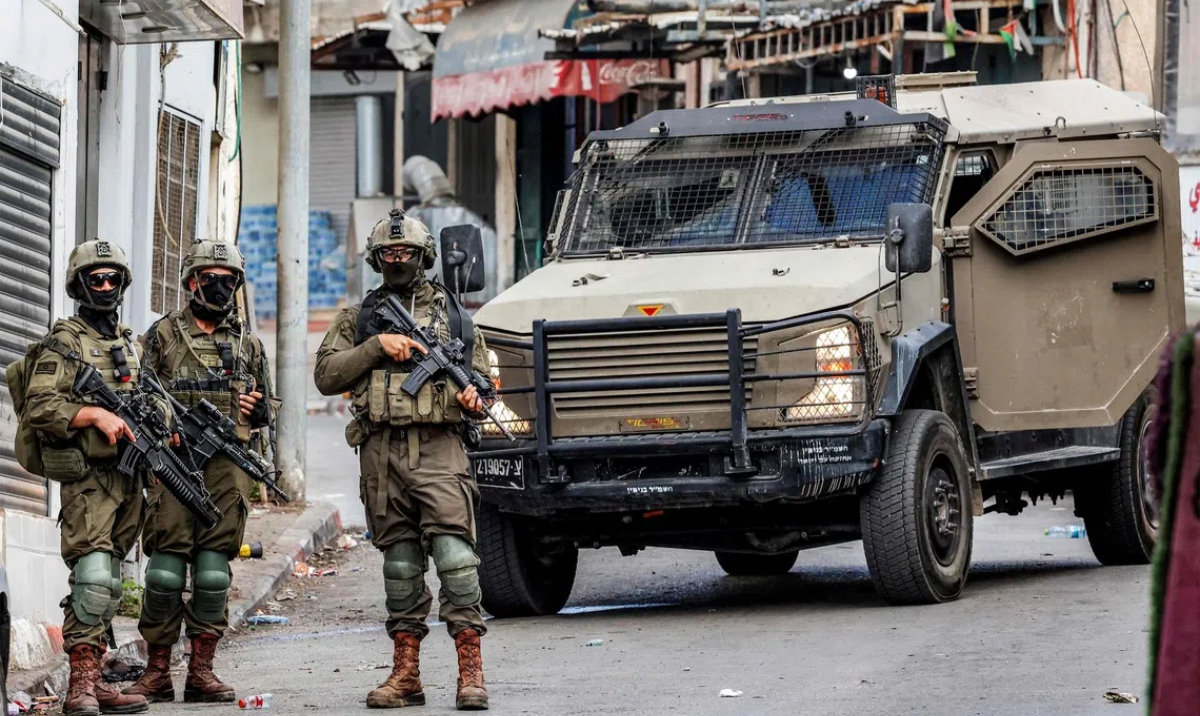
Israel's army chief announced Wednesday that the military is reinforcing troop levels across all fronts, citing an increased risk of escalation as the country heads toward elections on October 27. Lt. Gen. Eyal Zamir said the potential for incidents on Israel's borders has grown because of the election period, during which Prime Minister Benjamin Netanyahu faces a tight race to stay in power. The IDF has raised its level of readiness and deployed the 98th Division to the West Bank to boost presence there.
Zamir highlighted multiple specific pressure points. In Gaza, Israeli forces now control over 60 percent of territory under a ceasefire that took effect a year ago, though strikes remain ongoing. In Lebanon, violence has decreased since a framework agreement that includes Hezbollah disarmament, but implementation has stalled. The West Bank faces rising settler violence against Palestinians, particularly during the olive harvest season. Additionally, Israeli officials have raised concerns about potential Iranian escalation in the coming weeks, with some warnings suggesting that a major outbreak of fighting could force postponement of the election itself.
The heightened alert coincides with Israel marking the third anniversary of Hamas's October 7 attack. Zamir emphasized that the military is preparing for scenarios in which adversaries may attempt to catch Israel by surprise and stands ready to launch extensive offensive operations against any party that attempts to harm Israeli civilians.
Chanakya's Move
Zamir's public warning serves multiple strategic ends. Domestically, it frames Netanyahu's government as security-conscious and prepared, supporting his electoral argument that only he can guarantee Israeli safety—critical as he faces a tight race. Regionally, it signals strength and readiness to deter adversaries during a vulnerable political window when some may calculate that domestic chaos or electoral disruption could benefit them. Internationally, it communicates to the U.S. that Israel is serious about containing escalation risks, particularly around Iran, aligning Israeli and American interests ahead of both nations' elections. The move assumes that most adversaries will read the posture as deterrent rather than provocation, but it also locks Israel into higher readiness spending and raises the cost of backing down if minor incidents occur. A single surprise attack could validate Zamir's warnings and strengthen Netanyahu's political position, but prolonged tension without incident could gradually erode the credibility of the threat narrative.