
Photo via arabnews.com
Greenland Parliament Votes to Ban Deep-Sea Mining
Unanimous vote mandates legislation blocking underwater extraction until 2029, citing environmental uncertainty after Trump claims imminent exploration.
What happened
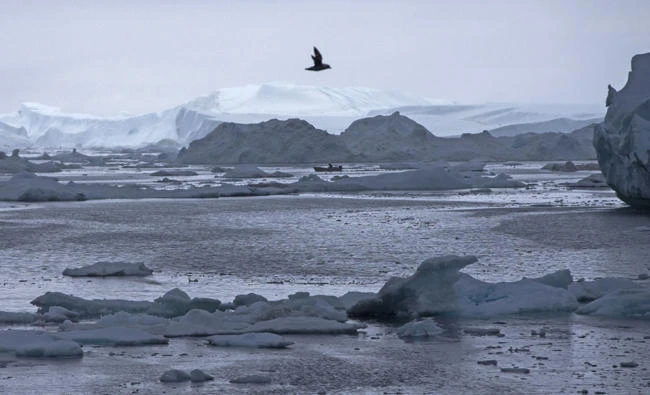
Greenland's parliament on Thursday unanimously adopted a proposal asking the government to draft legislation banning deep-sea mining and exploration until at least the end of 2029. The moratorium can be extended in two-year increments, giving the territory time to assess environmental impacts. The vote came one day after US President Donald Trump claimed that "massive" oil, gas and mineral exploration was about to begin in Greenland, though he did not specifically mention deep-sea mining.
Fisheries are the primary economic driver in Greenland, and hunting remains culturally and economically vital for many communities. Environmental groups welcomed the move, with WWF Greenland calling it an "important step in the right direction" and noting that "there is still relatively limited scientific knowledge about the potential consequences of deep-sea mining for the marine environment." Inhabitants of the Danish autonomous territory have expressed wariness about the environmental consequences of submarine extraction.
Greenland has long received substantial subsidies from Denmark, accounting for about 20% of its economy. The territory halted all new oil and gas exploration permits in 2021, and has not experienced industrial-scale drilling. The deep-sea mining ban follows a similar decision by Norway earlier in 2026, which postponed such operations until 2029.
Chanakya's Move
Greenland is signaling environmental caution while preserving mining optionality. The move appears timed to counter Trump's overheated rhetoric about imminent resource extraction—Parliament asserted its own environmental governance exactly one day after his claims, reinforcing Greenland's autonomy over its own resource policy. The moratorium is not a permanent ban; it is a delay mechanism that allows two-year reviews, leaving the door open for future mineral extraction once science catches up. Greenland's deeper bet is on territorial control: by acting alone, Parliament forestalled external pressure (from Washington or Copenhagen) while maintaining the option to unlock seabed minerals later if economic conditions improve or scientific concerns fade. The move also mirrors Norway's 2026 pause on deep-sea mining, creating regional consensus that buys Greenland political cover for later reversal if needed.