
Photo via dw.com
EU and Indonesia Sign Trade Deal Eliminating Most Tariffs
Agreement covers 730 million people and removes duties on 98.5% of EU exports, saving Brussels exporters over €600 million annually.
What happened
The European Union and Indonesia signed their Comprehensive Economic Partnership Agreement (CEPA) and Investment Protection Agreement (IPA) on Saturday in Brussels, capping nearly a decade of negotiations. EU Commission President Ursula von der Leyen and Indonesian Coordinating Minister for Economic Affairs Airlangga Hartarto presided over the ceremony. The deal eliminates tariffs on 98.5% of EU goods entering Indonesia and grants zero duties on roughly 90% of Indonesian exports to the EU.
Car tariffs, currently as high as 50%, will be phased out over five years. The pact is projected to increase EU exports to Southeast Asia's largest economy by nearly 40% within 15 years and save EU exporters more than €600 million annually in customs duties. The agreement also opens new investment opportunities in electric vehicles, electronics, and pharmaceuticals.
Von der Leyen called it "one of the most ambitious deals the European Union has concluded in Asia." Both sides aim to bring the deal into provisional effect before Indonesia loses its EU tariff preferences on January 1, 2027. The agreement requires approval from the European Parliament and ratification by both sides before full implementation, expected in early 2027.
Chanakya's Move
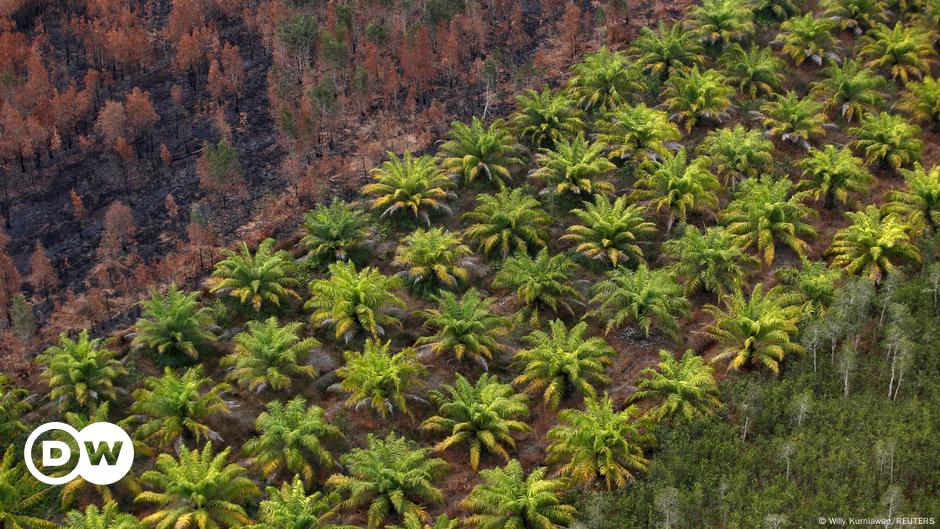
The EU is executing a deliberate trade-realignment strategy against the backdrop of Trump's tariff regime. By signing with Indonesia now—before it loses GSP status January 1—Brussels locks in tariff-free access to Southeast Asia's largest economy and secures supply chains for raw materials critical to the green transition, all while signaling to other trading partners that the EU can build coalitions outside US-China tensions. Indonesia benefits from certainty as Trump's policies pinch its traditional markets. This move does not resolve the deforestation concerns that dogged earlier negotiations, but the deal's sustainability chapter and palm oil protocol appear designed as sufficient cover. The strategic wager: a durable economic anchor in Southeast Asia that reduces both sides' vulnerability to external tariff shocks.