
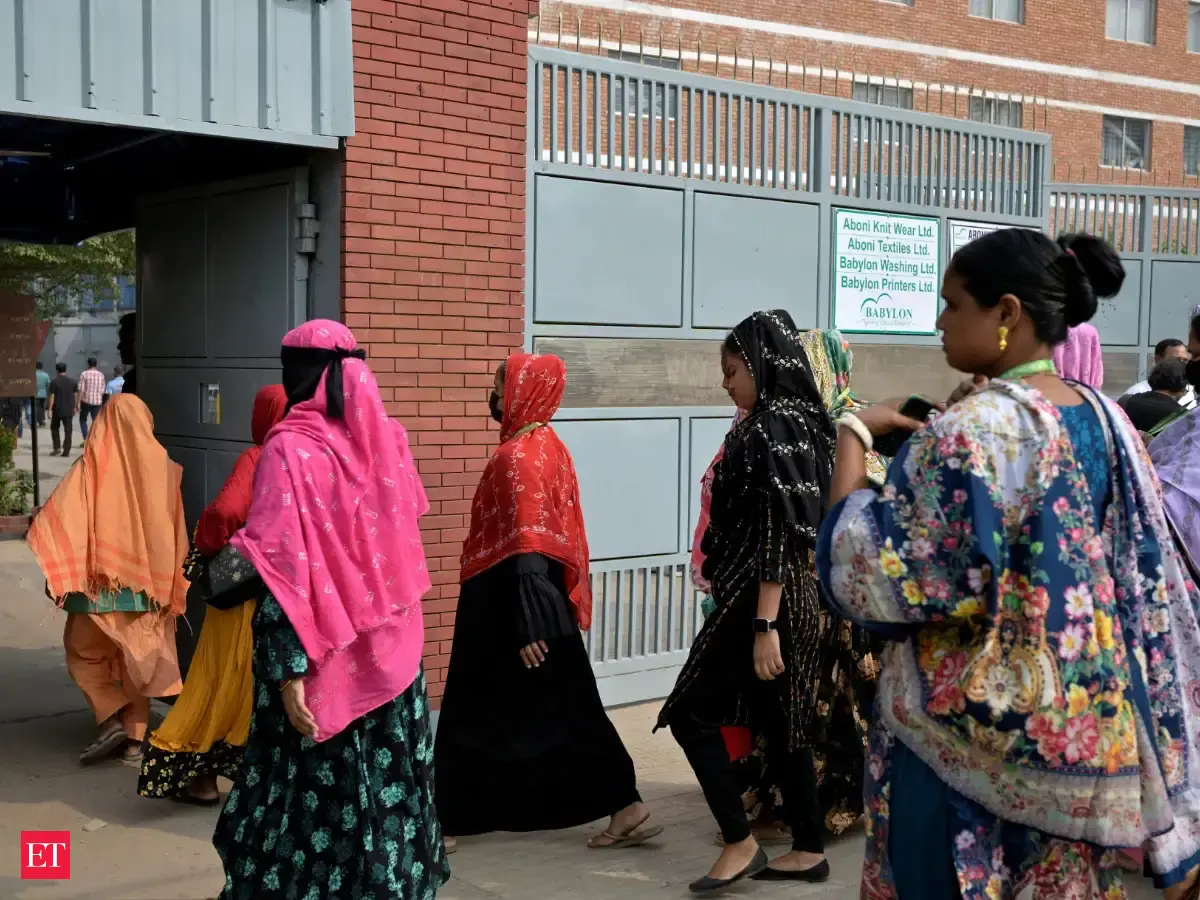
Photo via economictimes.indiatimes.com
Bangladesh garment workers demand 140% wage hike amid cost surge
After protests shut 529 factories, workers are demanding a minimum wage rise to 30,000 taka from 12,500 as rising living costs outpace stagnant wages.
What happened
Thousands of garment workers across Bangladesh's industrial hubs have staged protests since November 1, demanding their minimum monthly wage be raised to 30,000 taka (about $242), a 140 percent increase from the current 12,500 taka set in 2023. Workers cite surging costs of food, housing, transport, and healthcare that have eroded their purchasing power despite working in an industry that generates 80 percent of Bangladesh's export earnings. Garment factory worker Shilpi Khatun, 27, the sole breadwinner for her household, earns 13,500 taka and survives on puffed rice on hard days; she has not seen a doctor in three years despite health problems.
The industry employs about 4 million workers, mostly women, and the unrest has already forced the closure of at least 529 garment factories, leaving nearly a million workers without work. The government responded by establishing a wage board on November 3 to negotiate a revised pay structure. By November 4, the board agreed to implement a new wage scale by December, with workers to receive the first payments under it in January.
However, workers have rejected a proposed 25 percent wage increase as insufficient and continue demanding the full 30,000 taka figure. Union leaders and progressive organizations have called for even higher wages—up to 37,125 taka—along with measures to control commodity prices. The last meaningful wage adjustment occurred in 2023, even as industry profits and export revenues have grown.
Chanakya's Move
The workers have moved from sporadic discontent to coordinated mass action, forcing the government to establish negotiating machinery before a single worker concession was made. The wage board's formation is a win in itself—it signals that sustained pressure works. But workers are refusing to accept the board's timeline or any compromise below 30,000 taka, suggesting they are betting on the government's fear of further disruption to an export pillar. The manufacturers' association (BGMEA) is caught between protecting industry competitiveness (their argument against a 140% raise) and knowing that prolonged unrest costs them more in lost production than a wage increase would. The government faces a trilemma: a large wage hike could reduce Bangladesh's cost advantage in global apparel markets; stingy increases could trigger renewed protests; and indefinite unrest is already destructive. Workers have learned from 2023 (when a smaller strike yielded only a 12,500 taka wage) that refusing even good-faith board offers applies more pressure than accepting them.