
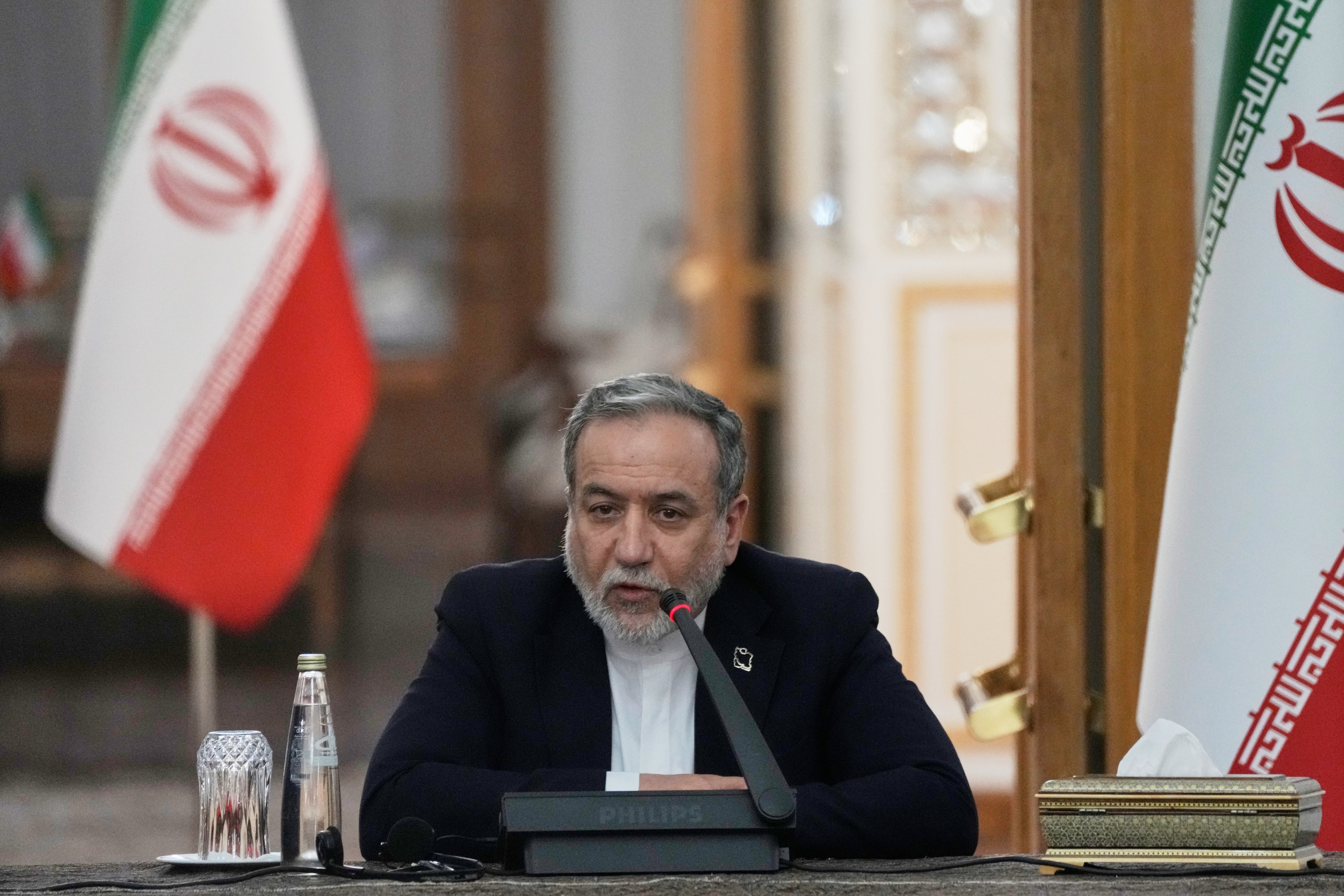
Photo via arabnews.com
Araghchi: China, Russia block Iran's nuclear doctrine shift
Iran's FM says Moscow and Beijing oppose a potential change despite hardline pressure to weaponize after US-Israel attacks on nuclear sites.
What happened
Iranian Foreign Minister Abbas Araghchi said China and Russia oppose any change to Tehran's nuclear doctrine, undercutting domestic calls within Iranian hardline circles to shift toward developing nuclear weapons as a deterrent. In an interview with state media, Araghchi confirmed the doctrine remains officially unchanged but acknowledged the issue was "broad, serious" with "supporters and opponents" in Iranian politics. The debate has intensified since February 2026, when US and Israeli strikes killed Supreme Leader Ali Khamenei and heavily damaged Iranian nuclear facilities including Natanz, Fordow, and Isfahan.
Hardline lawmakers and officials have openly advocated abandoning Iran's longstanding no-nuclear-weapons posture, arguing it has "failed to protect" the country's atomic infrastructure. Meanwhile, Iran continues blocking International Atomic Energy Agency inspections of damaged sites, linking access to conditions including permanent war cessation and US sanctions relief. The UN watchdog last week urged Tehran to allow inspectors to return, calling such access "critical" for verification.
Araghchi's statement underscores how external pressure from Iran's strategic partners constrains Tehran's options even as its own political elites sharpen their debate over nuclear deterrence.
Chanakya's Move
Araghchi is playing a defensive game: publicly reaffirming that Iran's doctrine is unchanged while telegraphing to hardliners that the door remains open for "major strategic debate." By explicitly citing China and Russia as opponents, he is signaling to Iranian decision-makers that abandoning the no-weapons posture would isolate Tehran from its two most important strategic backers—the very partners whose military and economic support Iran depends on amid US pressure. This is a constraint masquerading as solidarity with allies. What Iran is betting on is that hardline pressure will fade if the US-Iran war stabilizes diplomatically or if Trump (who last week downplayed regime change) signals willingness to negotiate. Russia and China are essentially holding Iran to a doctrine that serves their interests (predictability, non-escalation with the West) more than Iran's immediate security concerns. If Iran eventually changes course, it will likely be a unilateral move that fractures its relationship with Moscow and Beijing.